Panasonic has introduced Bead Eye M as a new robotic solution for weld inspection. Based on the available information, the system is designed to automate inspection tasks and support the detection of deviations in welded joints.
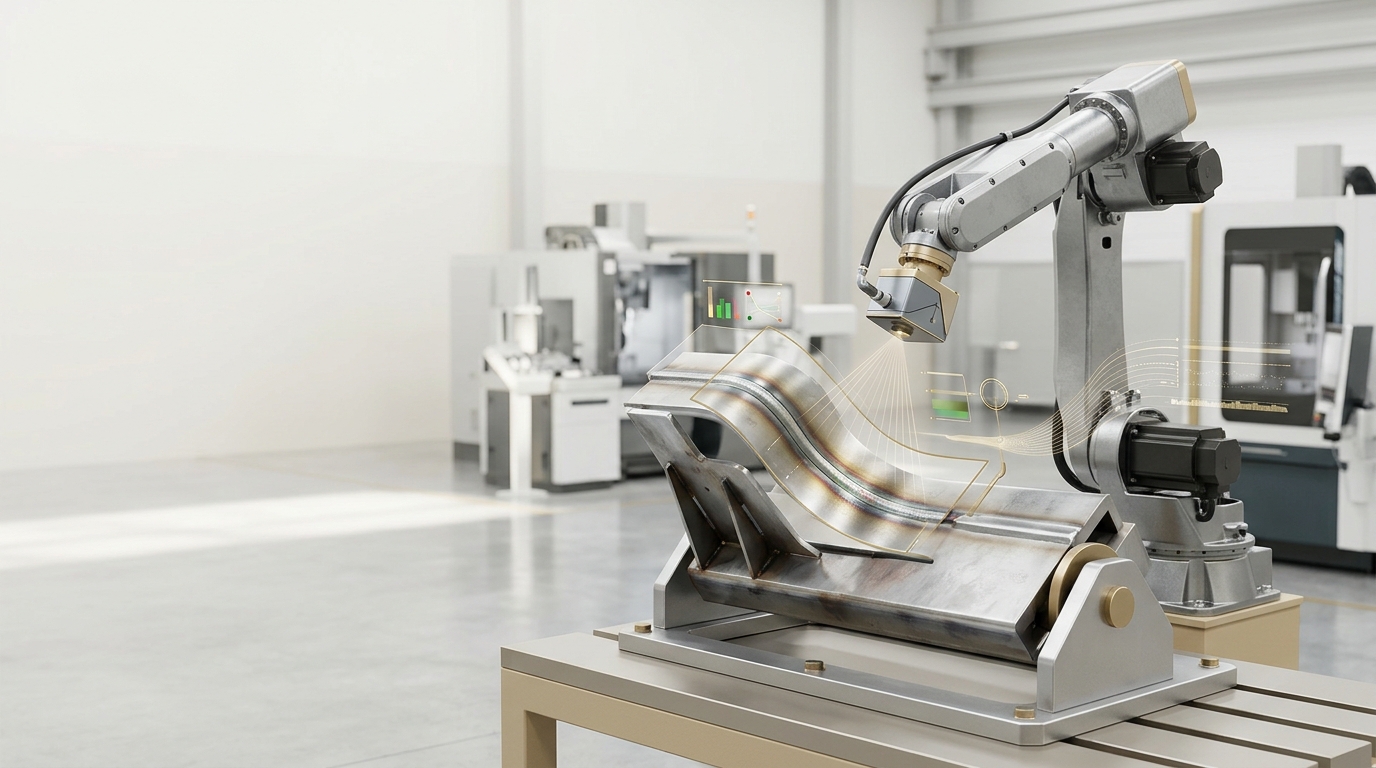
The stated concept combines 3D scanning with artificial intelligence. The 3D scan captures the geometry of the weld bead, while AI is presented as the analytical layer used to identify deviations from expected weld conditions.
In manufacturing terms, this kind of system fits the broader move from stand-alone manual inspection toward quality control functions embedded directly in robotic cells. That can matter in applications where repeatable inspection routines and more structured result evaluation are important for final part quality.
The source material does not provide further details on specific applications, performance data, cycle times, compatibility with particular welding processes, or metrology parameters. It also does not mention standards, accuracy figures, advanced software functions, or target markets.
Even with those limits, the positioning is clear: automate weld inspection by combining robotics, 3D sensing and artificial intelligence. For metal fabrication companies, the launch underlines the ongoing shift toward welding cells that do more than execute a seam and increasingly integrate quality-control capabilities into the production workflow.