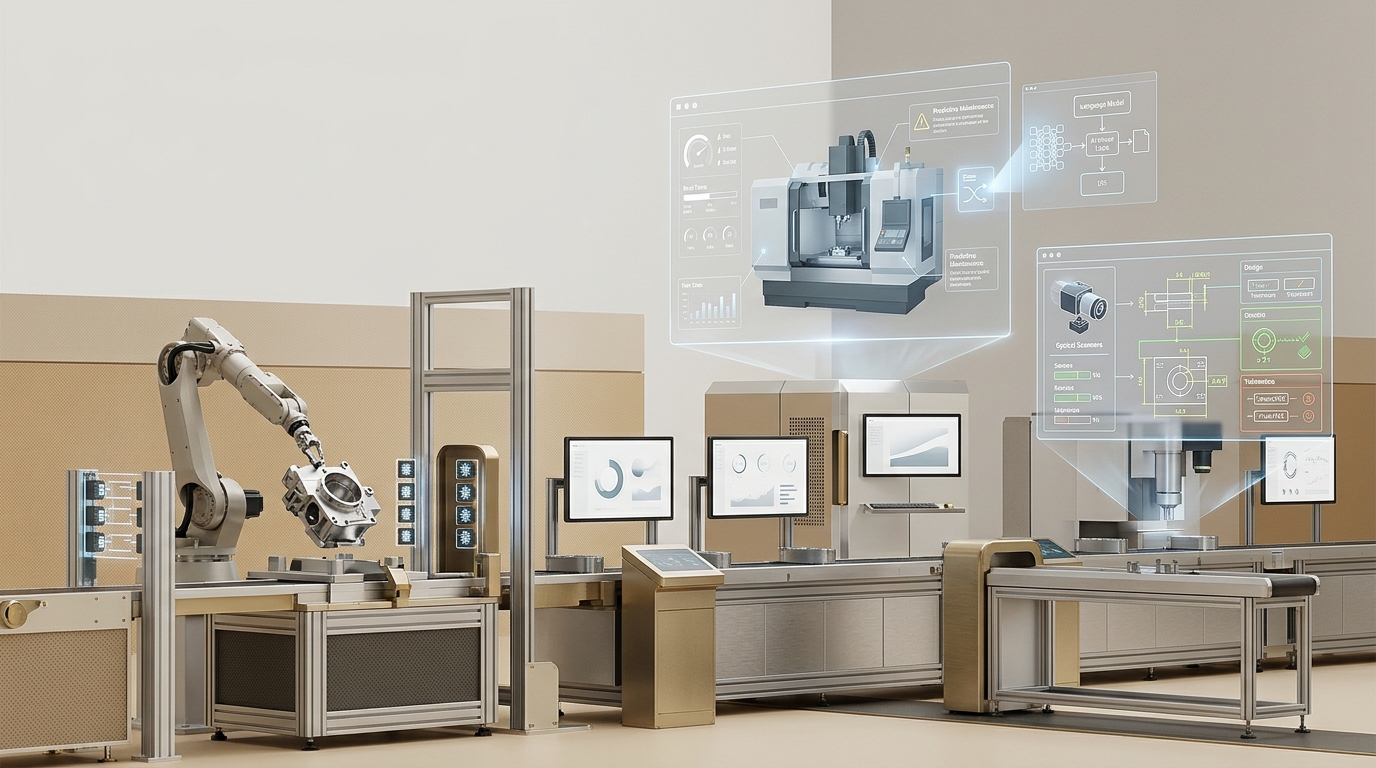
Foxconn is rolling out a set of digital manufacturing technologies aimed at creating factory environments that can learn from operating data. Based on the available material, the approach combines large-scale AI infrastructure, industrial language models and digital twin technology within production settings.
The core idea is to build manufacturing environments described as self-learning, meaning systems that can improve performance based on information generated during operations. The source material does not specify which plants, lines or business units are involved, nor does it provide an implementation timeline, but it clearly frames the effort as an integration of advanced software with factory execution.
Foxconn reports that the initiative has delivered significant improvements in three areas: production efficiency, engineering workloads and quality control. However, no figures, percentages or comparative benchmarks are included in the available text, so the scale of the gains cannot be independently assessed beyond the company-reported summary.
For manufacturers, the most notable point is the combination of AI and digital twins as an industrial framework rather than a standalone application. In practical terms, that kind of architecture can support process-data analysis, operational simulation and tighter links between engineering, production and quality activities.
For metalworking companies, contract manufacturers and complex production operations, the appeal lies in the potential to reduce low-value manual engineering work and shorten the feedback loop from quality checks. Even so, questions remain about transferability: without further detail on use cases, investment levels or automation scope, the currently available picture is better understood as a strategic direction than as a full technical performance review.