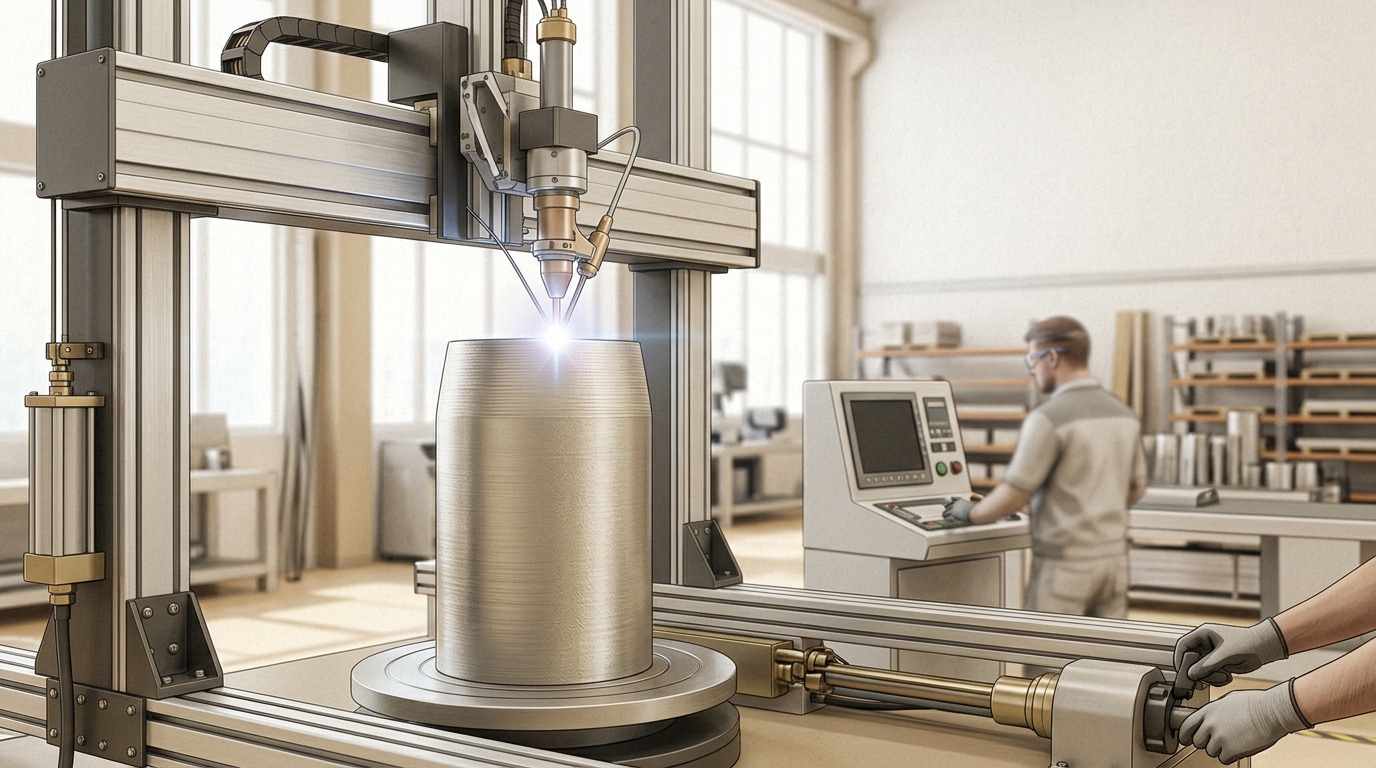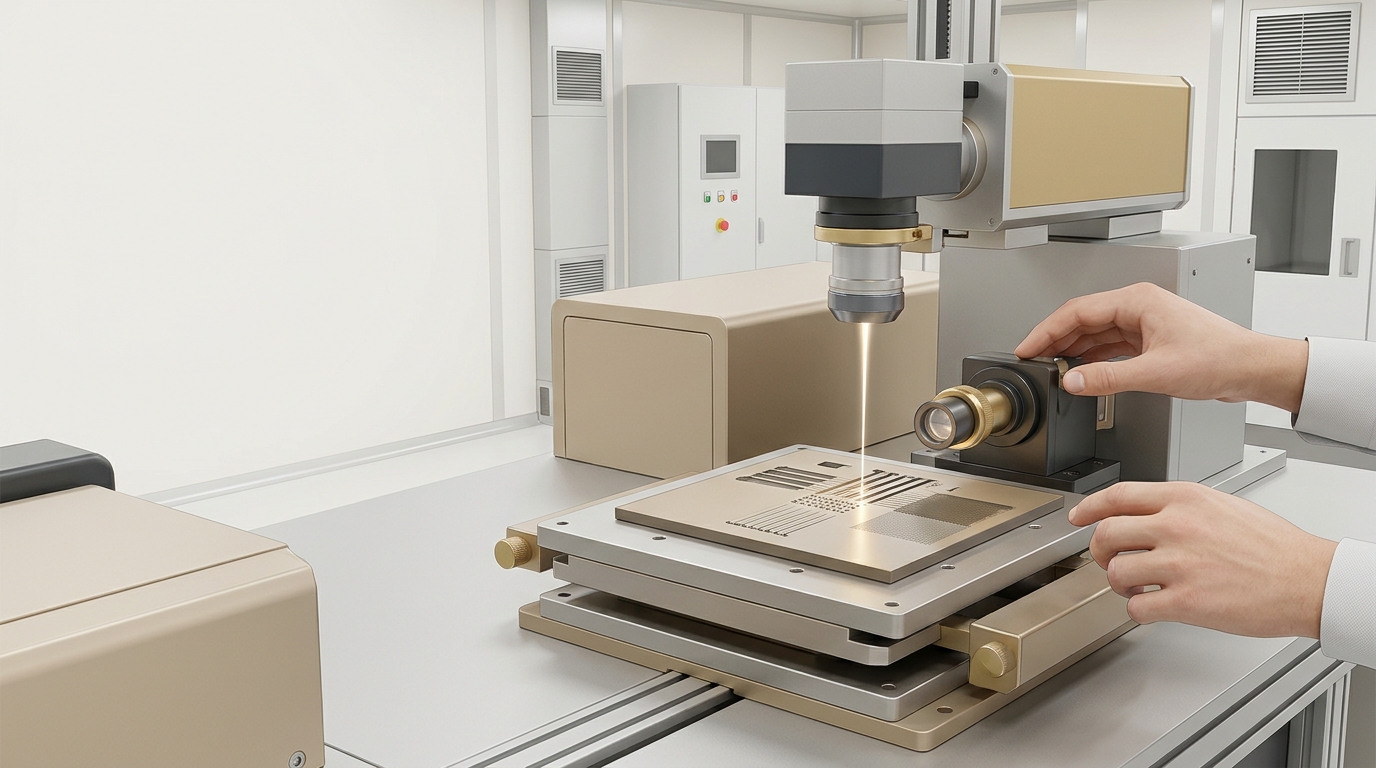
Trumpf has unveiled an ultrashort-pulse laser application for the industrial production of integrated cooling systems in chip stacks. The announcement is positioned around manufacturing needs for the next generation of AI chips, with the process aimed at forming functional cooling features directly within stacked chip architectures.
Based on the published information, the result is precise microstructures in silicon carbide. That points to a micromachining use case where feature accuracy is central, while also highlighting a material associated with demanding thermal and technical requirements.
The main performance claim highlighted by Trumpf concerns speed. The company says the processing rate is at least five times faster than etching. However, the available material does not provide additional comparative data such as throughput values, process parameters, achieved tolerances or test conditions.
From an industrial perspective, the launch suggests a broader role for ultrashort-pulse lasers beyond established precision applications. Integrating cooling functions into chip stacks addresses increasingly tight thermal-management constraints in high-performance electronic devices.
For the manufacturing supply chain, the relevance extends beyond semiconductor production alone. If laser processing can replace or complement etching in industrial settings, machine builders, integrators and buyers may reassess the balance between precision, throughput and overall process complexity.
At this stage, the public information is limited to the technology introduction and the stated benefits in precision and speed. No further details were provided on commercial availability, production deployment, end users or additional quantitative specifications.