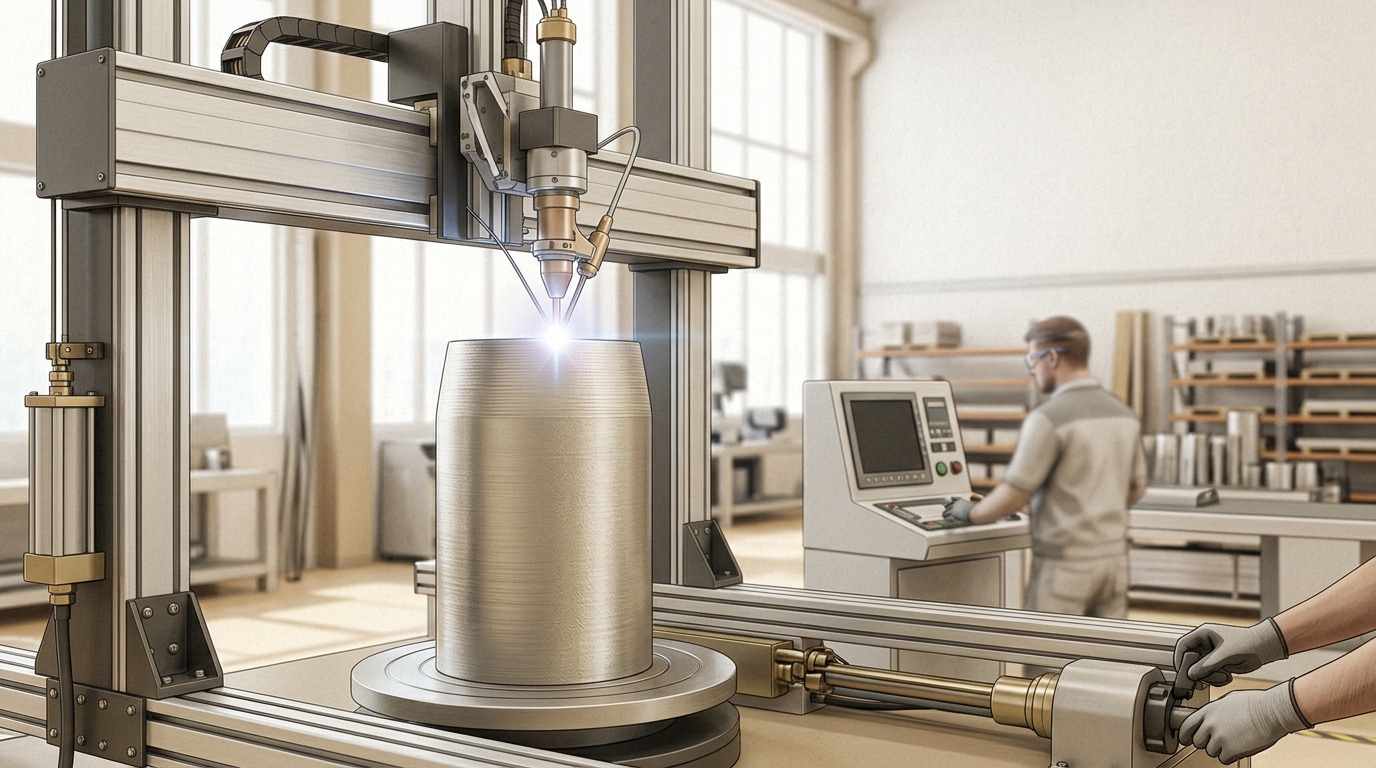
According to 3D Printing Industry, a research group spanning institutions in China and the United States has 3D printed titanium alloy single crystals reaching one meter in height. The report places the result in a part of metal additive manufacturing where producing large single crystals has generally remained out of reach.
The available source text says the study was published in Nature and describes a route past that barrier. However, the material provided here does not identify the researchers, the institutions, the alloy grade, or the operating conditions used in the process, so those details cannot be added reliably.
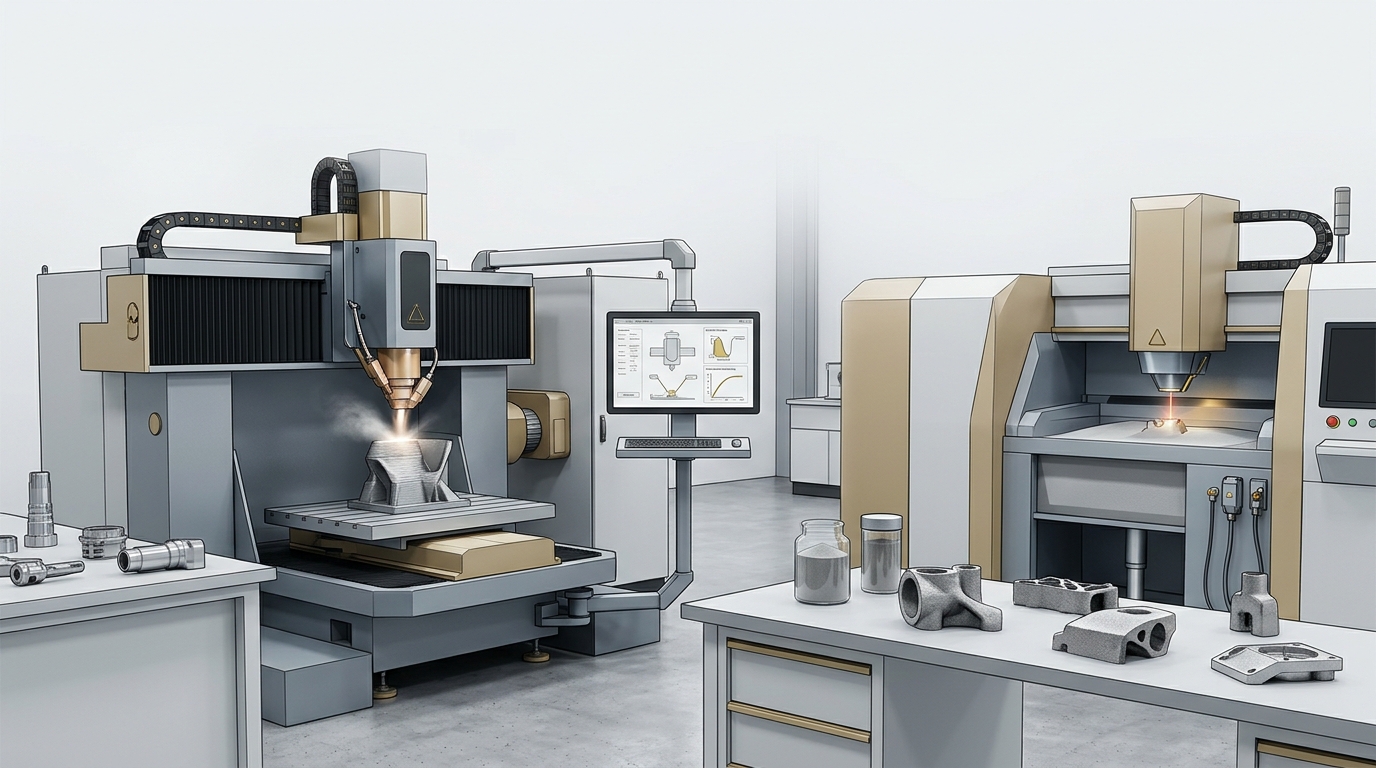
The main significance of the report lies in the combination of a pulsed arc-based additive process and the formation of a single-crystal structure at a much larger scale than is typically associated with metal AM. From a metallurgy perspective, that matters because microstructure strongly affects how a metal part behaves in service, including consistency and performance.
The source excerpt also notes that single-crystal metals perform well, but the passage available for analysis ends before listing the specific properties demonstrated in this work. As a result, no direct claim can be made here about mechanical, thermal, or durability gains without the full paper or further confirmed reporting.
For industry, the key question is whether an arc-based deposition method can move beyond productivity-driven build and repair use cases toward precise control of solidification. If that control proves repeatable, the development could be relevant for high-value titanium applications where microstructure is a critical part of qualification.
Based only on the material supplied, this should be read as a notable research development rather than an immediately deployable production method. Important questions remain on process architecture, repeatability, certification pathways, cost, and how quickly such an approach could transition from laboratory validation to factory use.