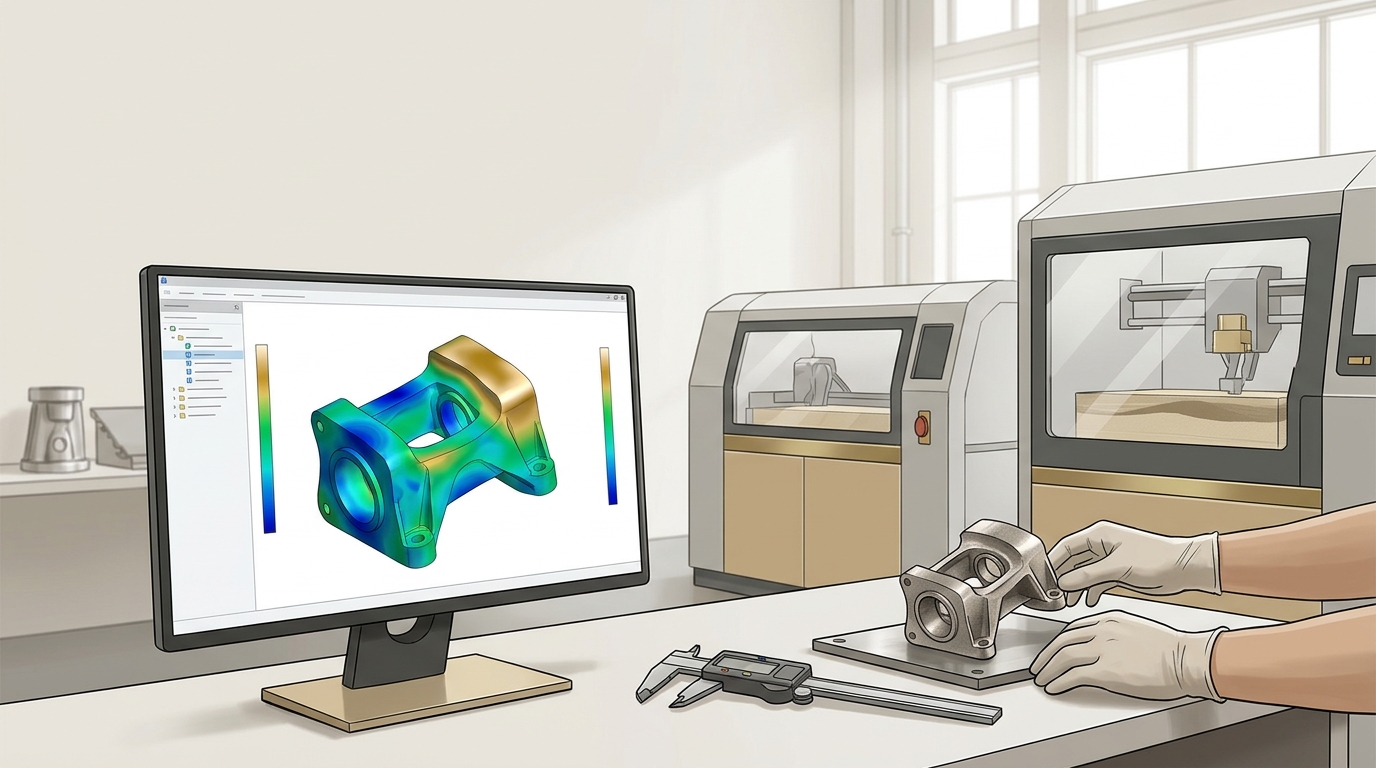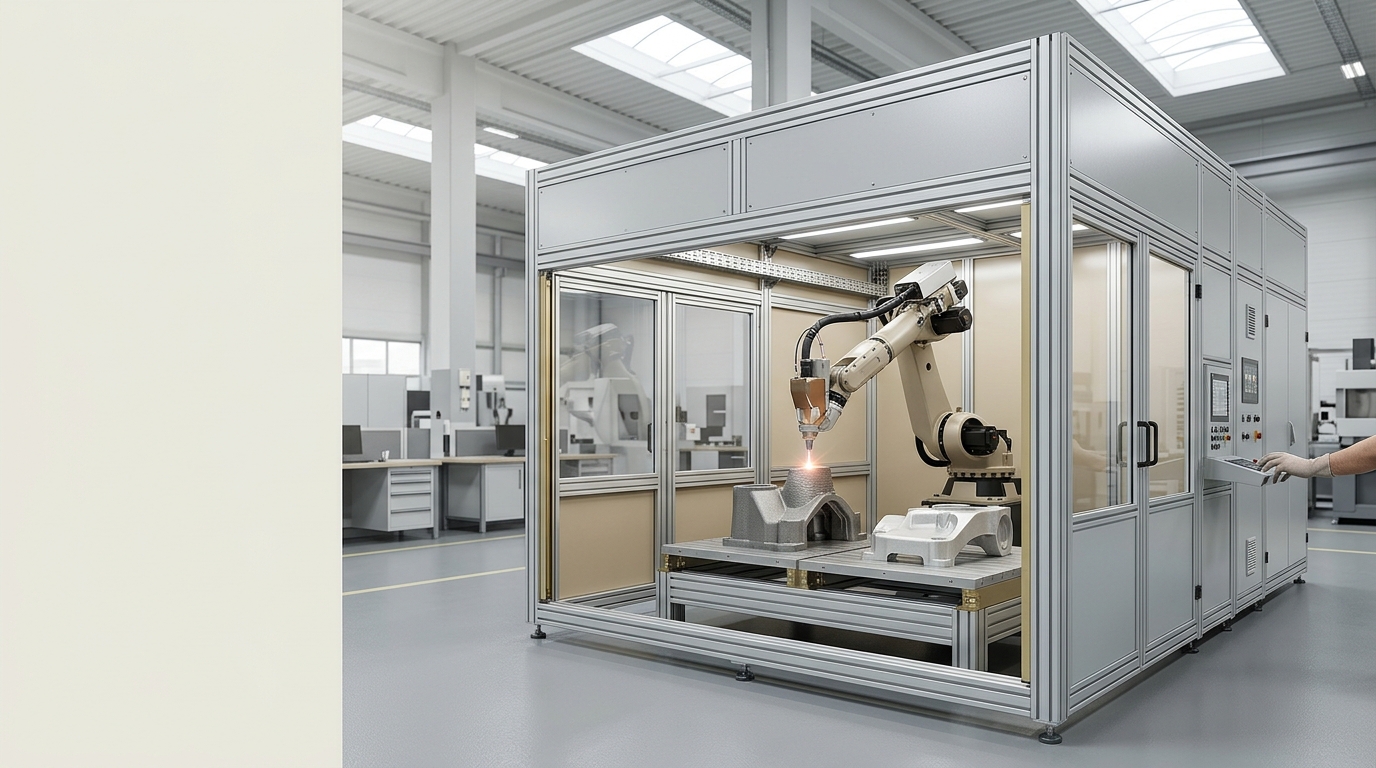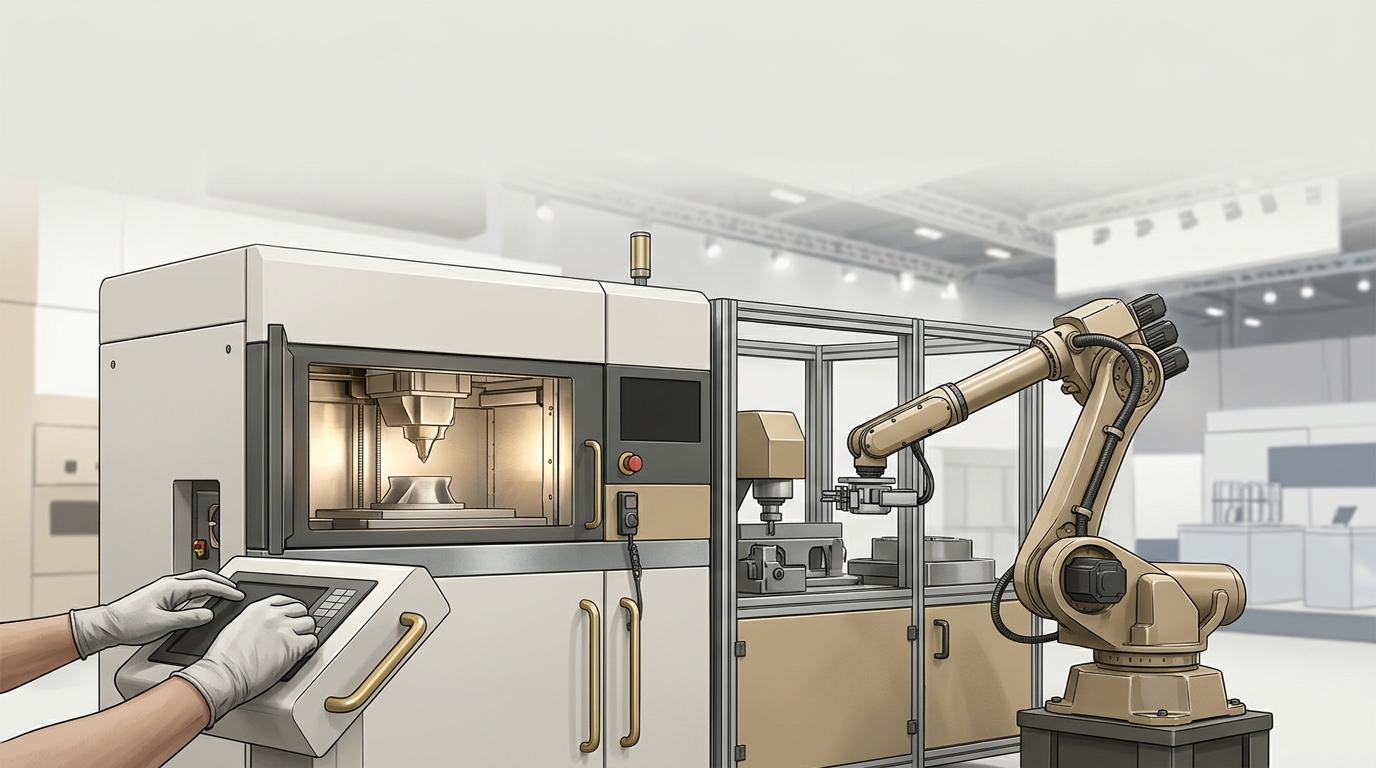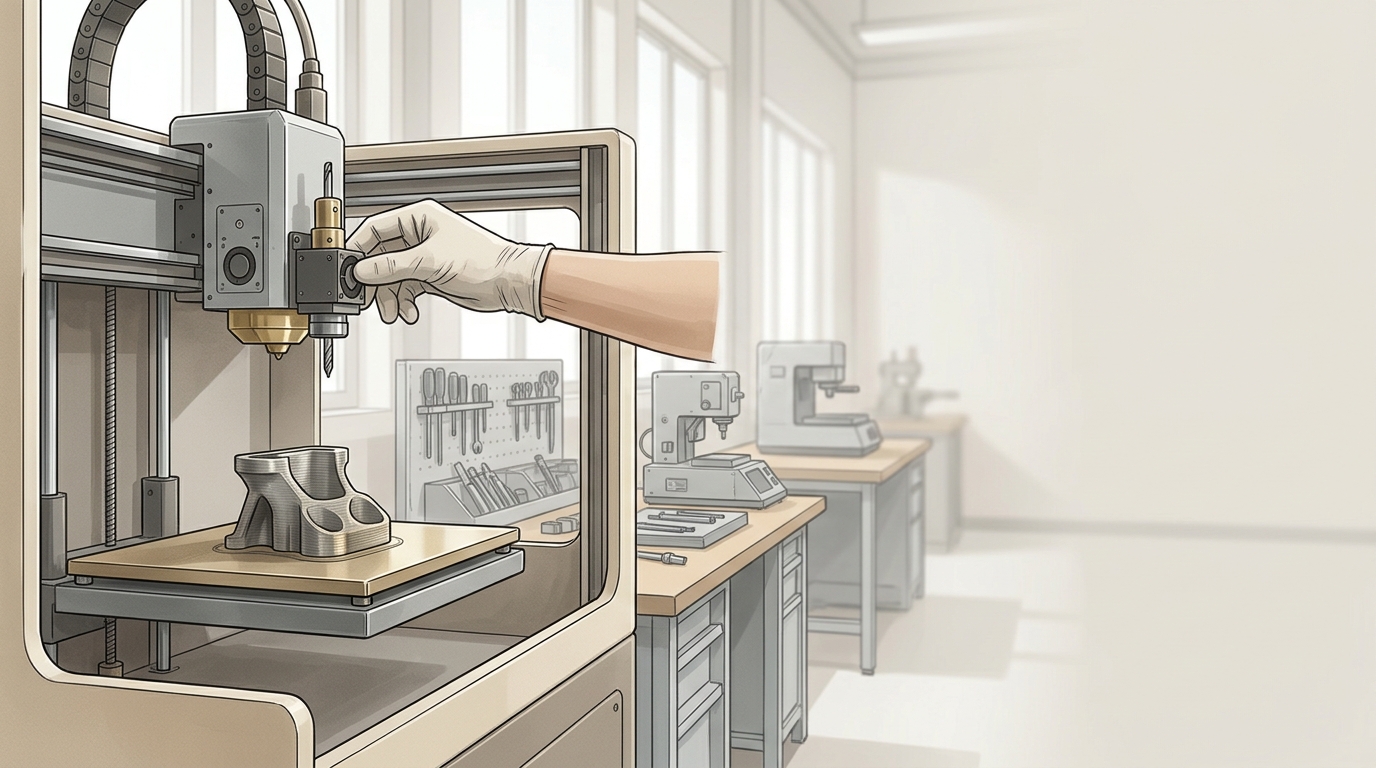
Snowbird Technologies, a US manufacturer of deployable manufacturing systems, has released results from its participation in RIMPAC 2026. The available information focuses on the use of its SAMM Tech hybrid manufacturing platform in an operational setting for the production of metal replacement parts.
According to the source material, the system was used to produce metal replacement parts in two locations in Hawaii: aboard USS Essex and at Schofield Barracks. That positions the story as a practical example of metal additive manufacturing being applied outside a conventional factory environment, with production moved closer to where the components are needed.
The activity was conducted as part of the Naval Postgraduate School’s Consortium for Advanced Manufacturing Research and Education, or CAMRE. This places the work within a research and applied evaluation framework intended to test how advanced manufacturing systems can support operational and logistics needs.
The source mentions cost and lead-time results, but it does not provide numerical values, cost comparisons, cycle durations, or other technical metrics in the material supplied here. As a result, the scale of any reported improvement and the basis for the assessment cannot be independently described from the information available.
Even so, the case is notable because Snowbird is presenting it as evidence of its hybrid system’s use during a large multinational exercise. For manufacturing readers, the main point is the field use of additive and hybrid production technology for metal spares when immediate part availability may affect operational continuity.
Without further detail in the material reviewed, the item is best understood as an operational update on the use of an additive manufacturing platform rather than a full economic performance comparison. Any judgment on cost competitiveness, throughput, or broader industrial repeatability would require additional data not present in the source excerpt.