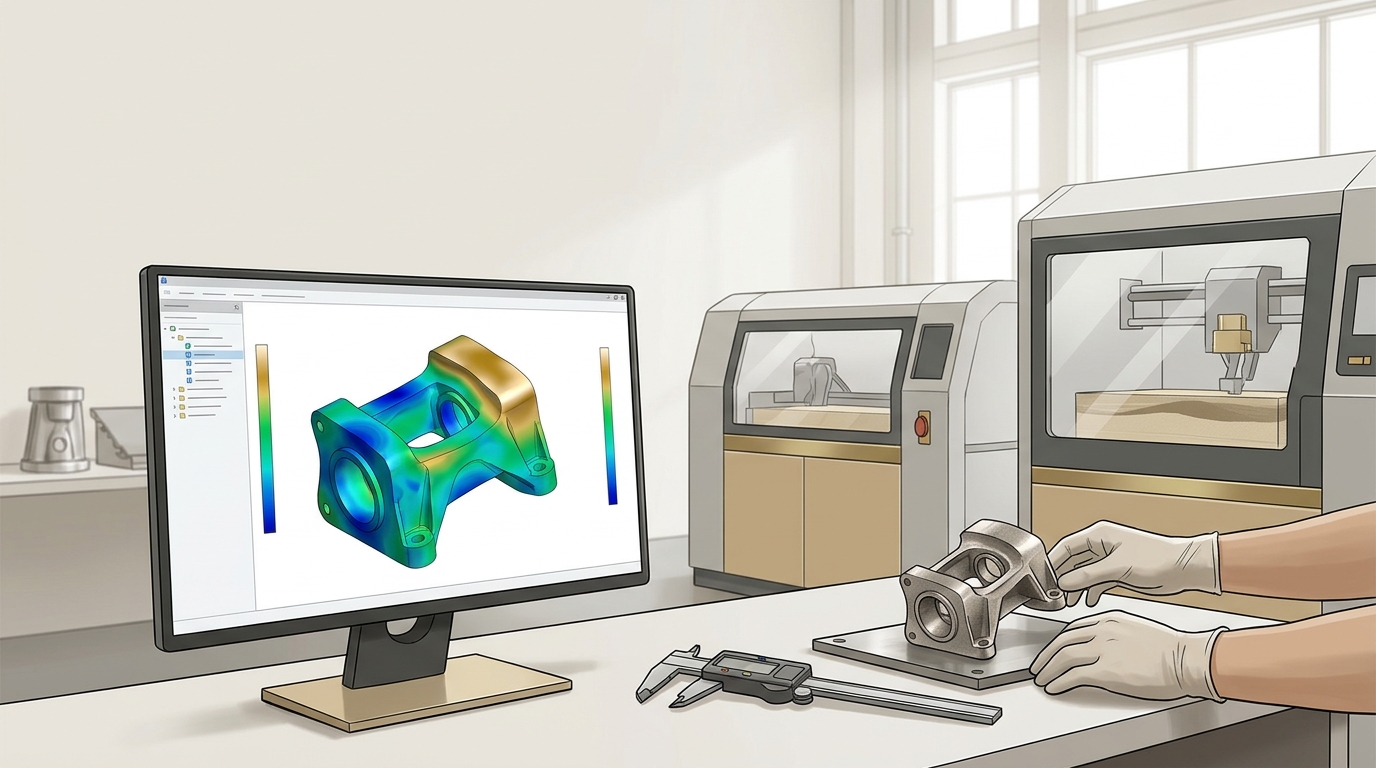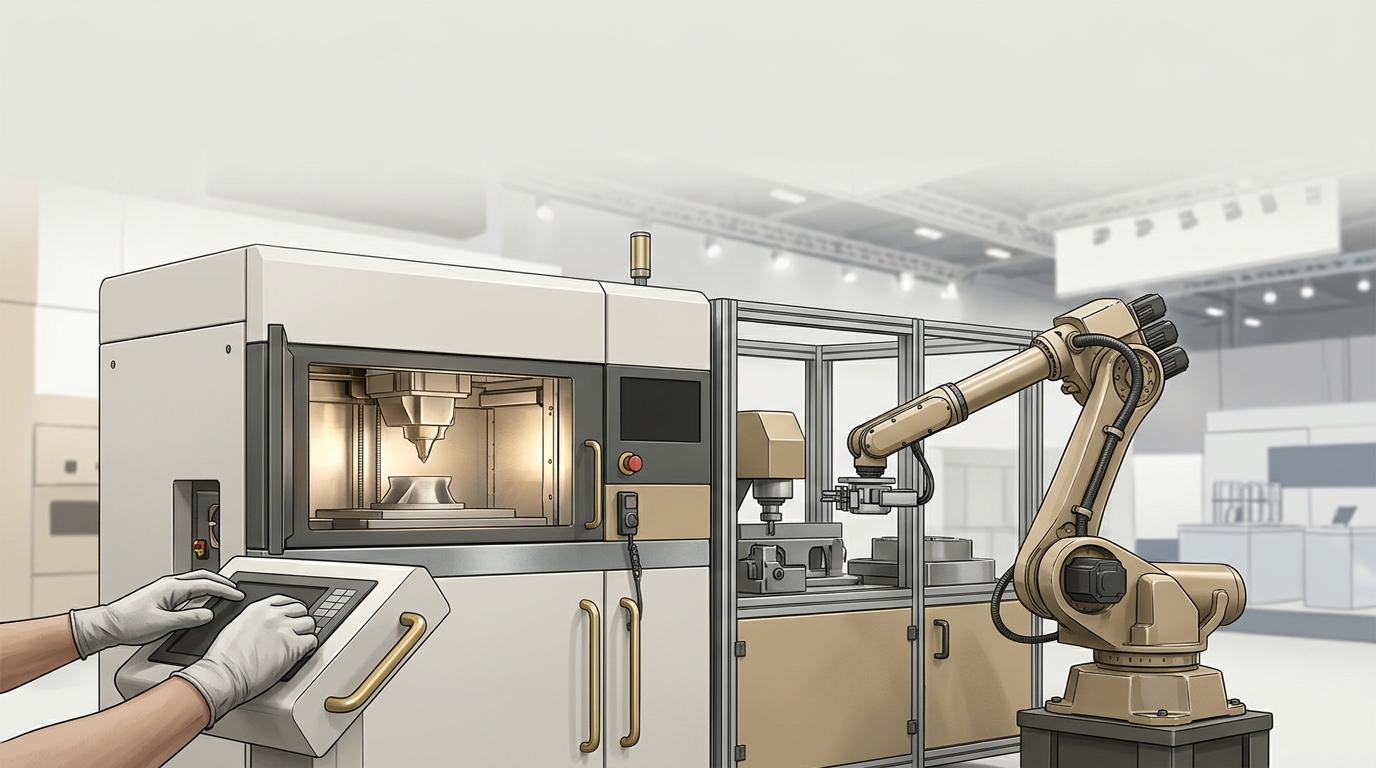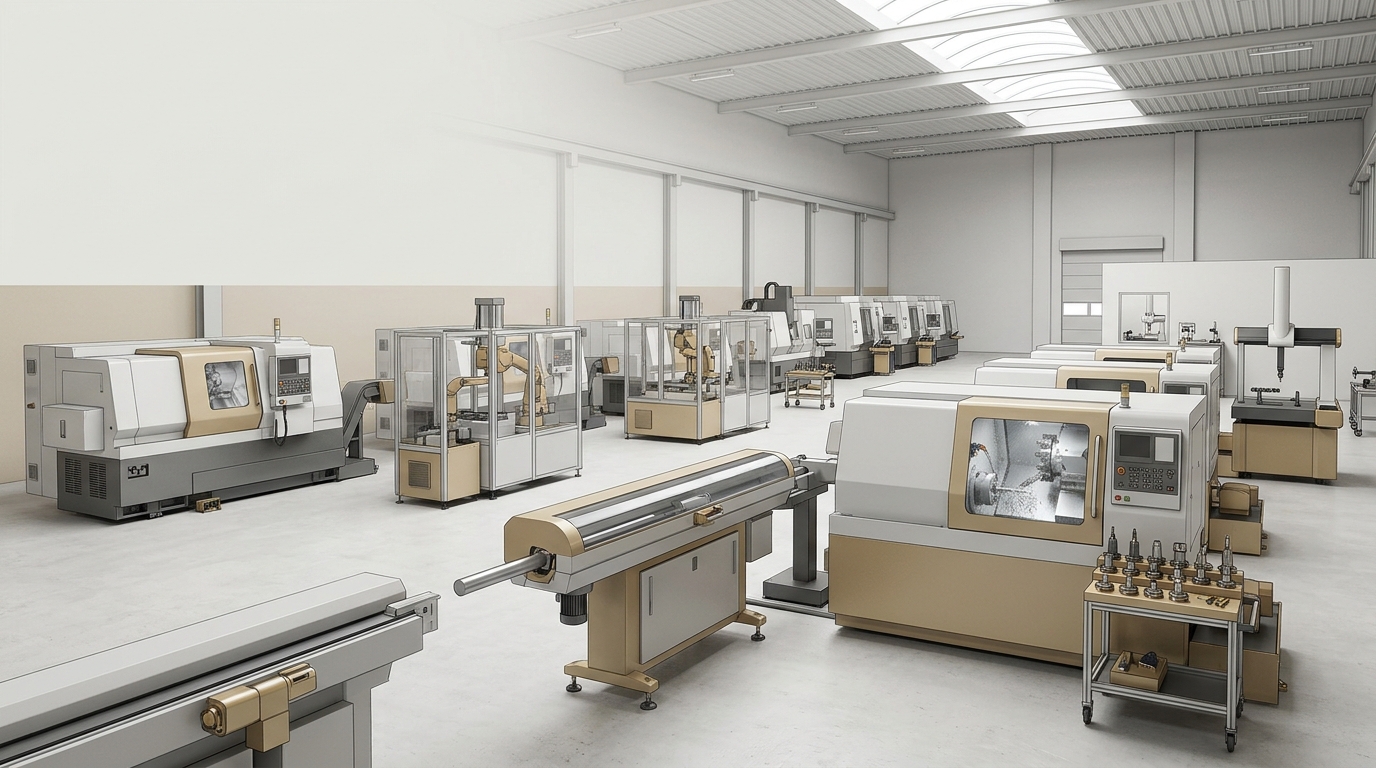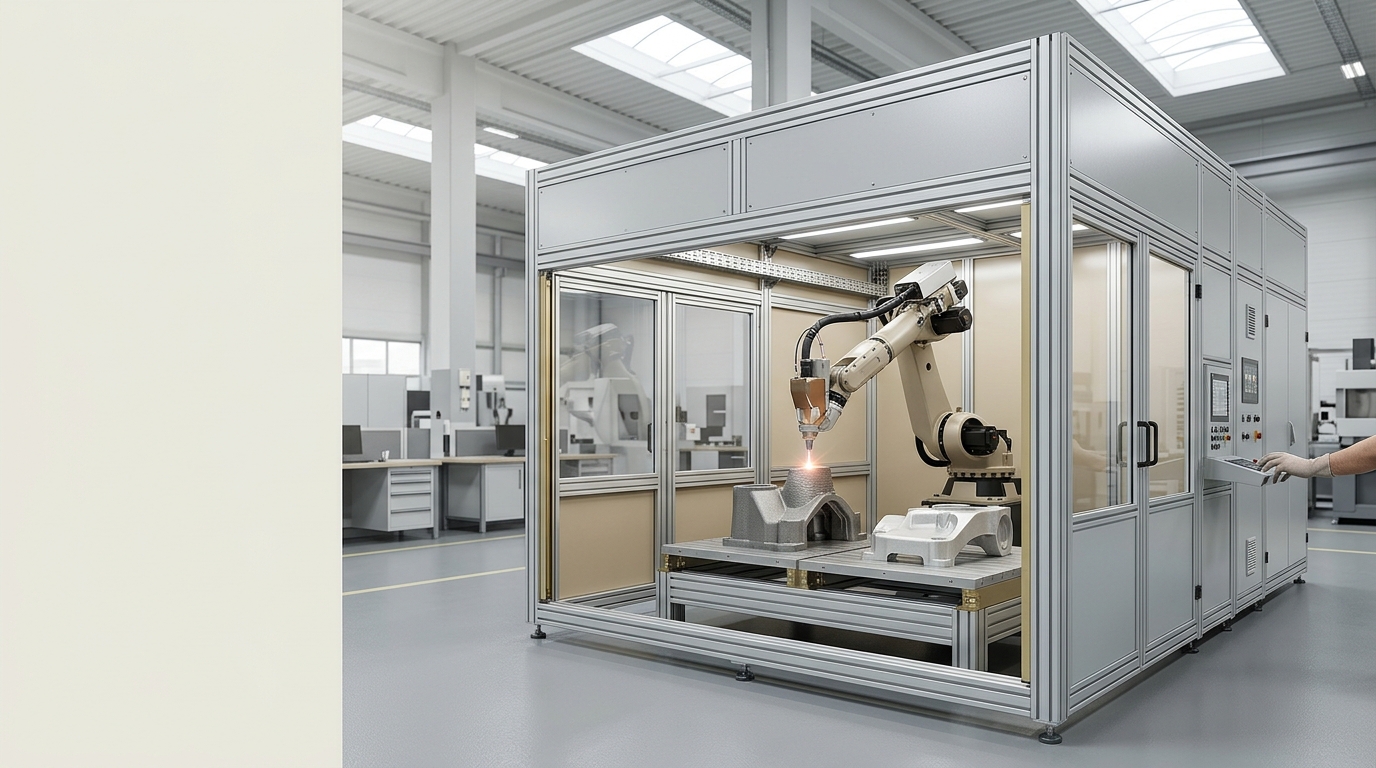
AltForm, an Italian supplier of metal additive manufacturing and laser systems, is preparing to present ZENIT Modular at Formnext 2026 in Frankfurt. Based on the available material, the launch concerns a new family of Directed Energy Deposition cells positioned as an expandable option for producing titanium and aluminum parts.
The ZENIT Modular platform is described in three sizes, covering footprints from 2 x 2 m up to 4 x 4 m. The main feature highlighted so far is post-purchase expandability: manufacturers would be able to add modules later, allowing them to increase capacity over time rather than investing in the largest configuration from day one.
That approach may be relevant for manufacturers working in variable production environments, especially where demand, part mix, or program timing is still evolving. In those cases, a modular DED cell can be assessed as an installed base that grows in stages, potentially aligning capital spending more closely with actual workload.
The currently available material does not provide further technical detail on laser source, motion system, automation level, deposition rates, head configuration, process atmosphere, or software environment. It also does not specify pricing, delivery timing, target applications, or performance data for titanium and aluminum processing. As a result, the practical industrial significance of the launch will be easier to judge once fuller specifications are released.
According to an additional event source, Formnext 2026 will run from 17 to 20 November, providing the usual setting for product introductions across the additive manufacturing supply chain. Until more information is published by the company, the clearest takeaway is AltForm’s emphasis on modularity and on the ability to expand DED cell capacity after the original purchase.