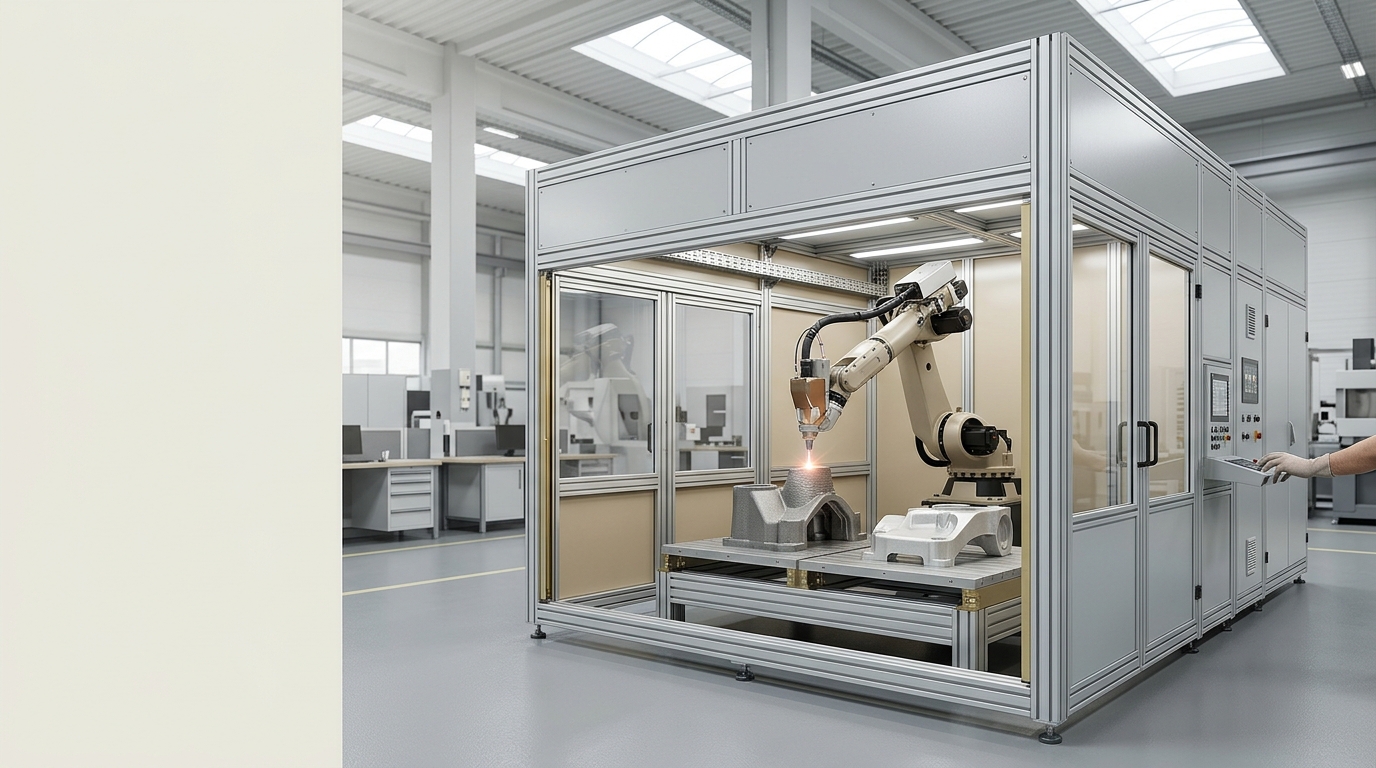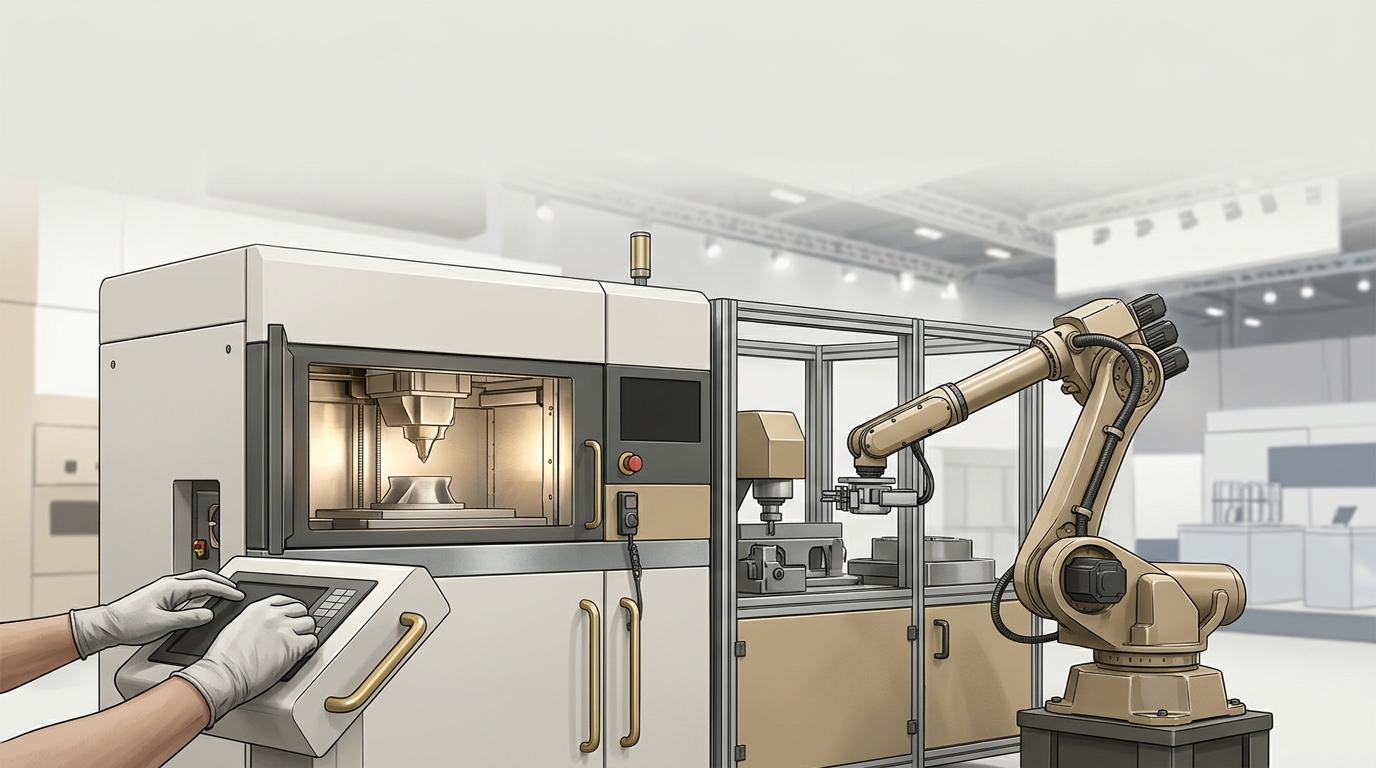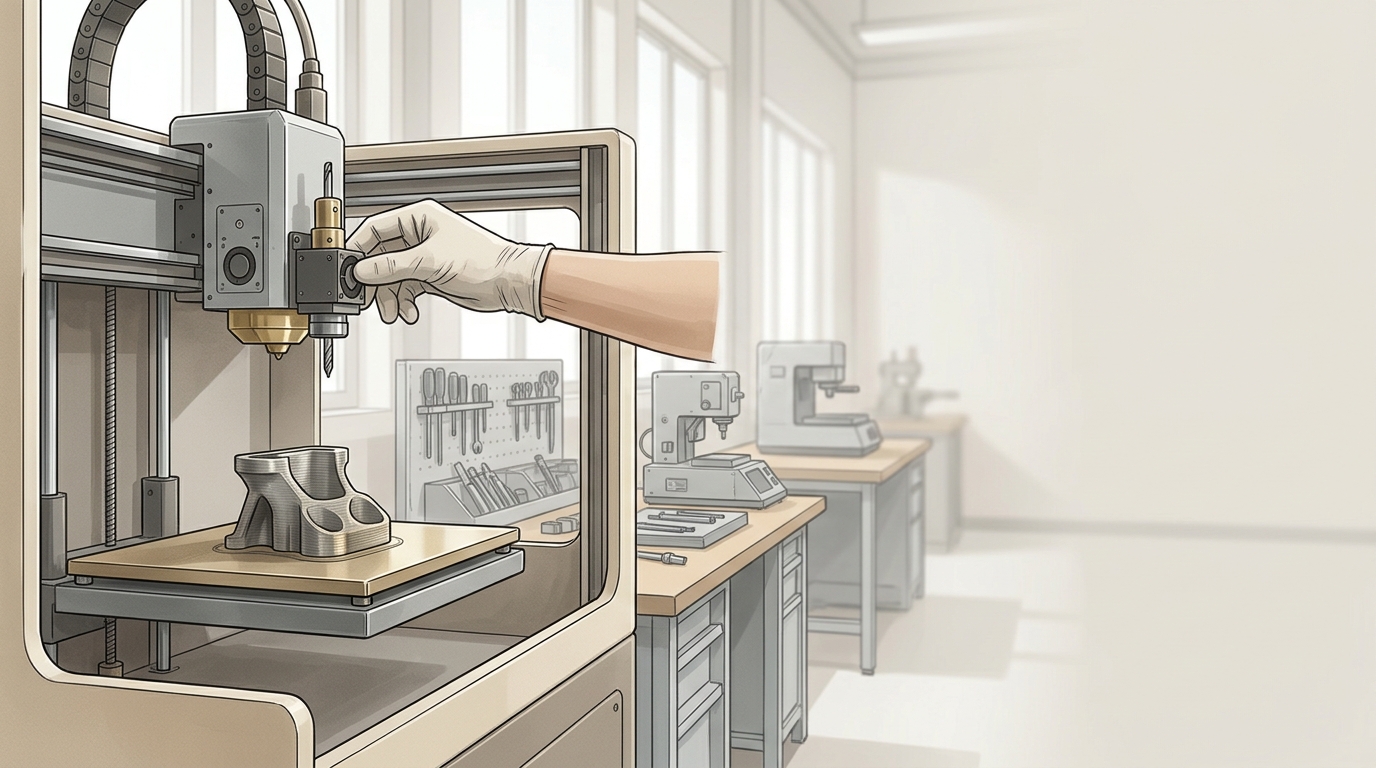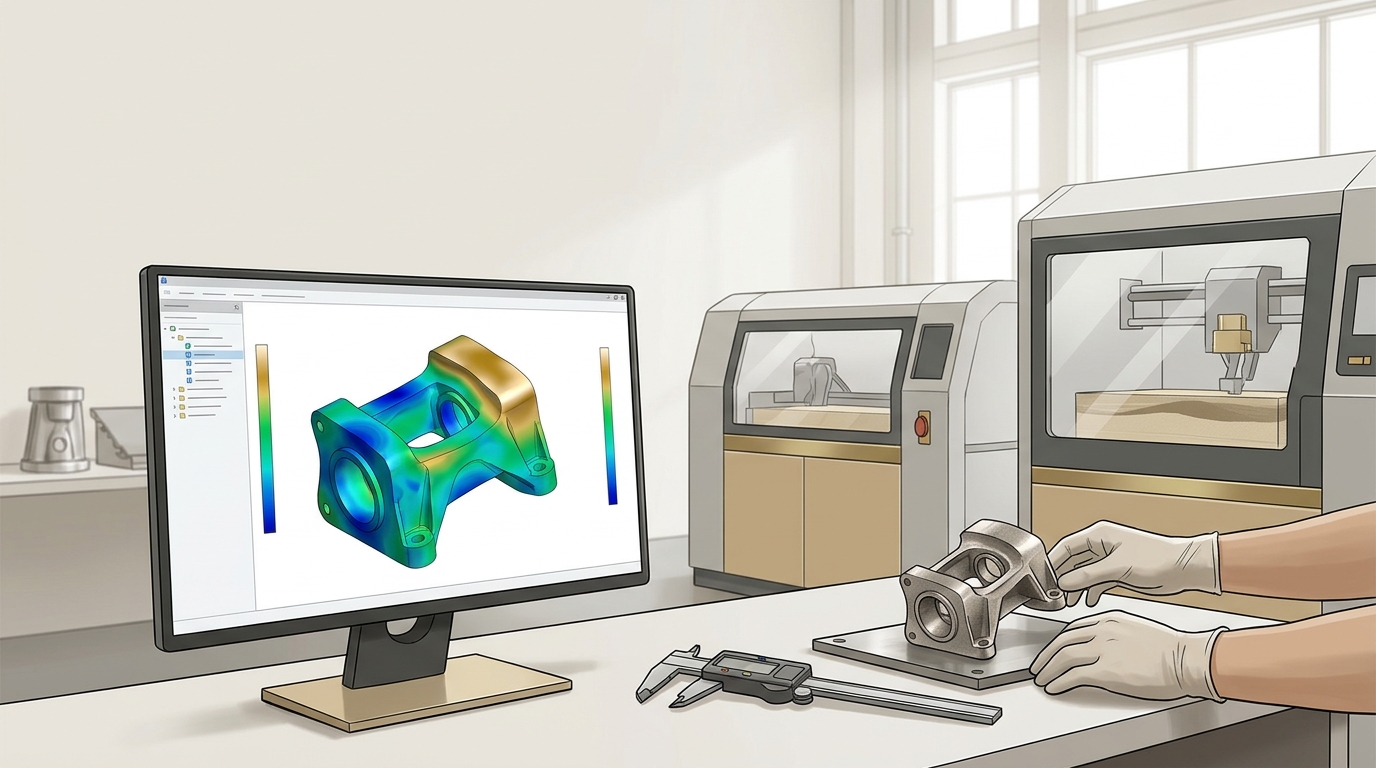
Fraunhofer IGD has introduced a set of software solutions for metal additive manufacturing, aimed at improving part quality and accelerating parts of process development. Based on the available information, the work focuses on three areas: binder jetting, unit cell design and fast distortion simulation.
The most direct implication for users is the effort to reduce surface-related defects. The source material specifically refers to fewer quantization artifacts, an issue that can affect the geometric finish of additively manufactured surfaces. However, no numerical results, benchmarks or performance comparisons are provided, so the scale of the improvement cannot be quantified from the published information alone.
A second element is the ability to tailor part properties more closely. Here, the reference is to unit cell design, meaning periodic structures used to tune the behavior of a component. The announcement points toward more application-specific properties, but it does not include further detail on materials, end uses or specific mechanical parameters.
The third area mentioned is fast distortion simulation in metal 3D printing. For engineering teams, this matters because predicting deformation is often one of the more time-consuming tasks in process preparation, especially when companies are trying to reduce physical trials, iterative corrections and ramp-up time. Still, the source only states that the simulation is faster and does not specify the calculation method, accuracy level or software environment.
Overall, the announcement highlights a clear direction: using software to address surface quality, performance-oriented design and process predictability in metal additive manufacturing. Without more technical detail, the picture remains introductory, but it points to three established industrial priorities for the sector: fewer defects, more controlled properties and more efficient simulation.