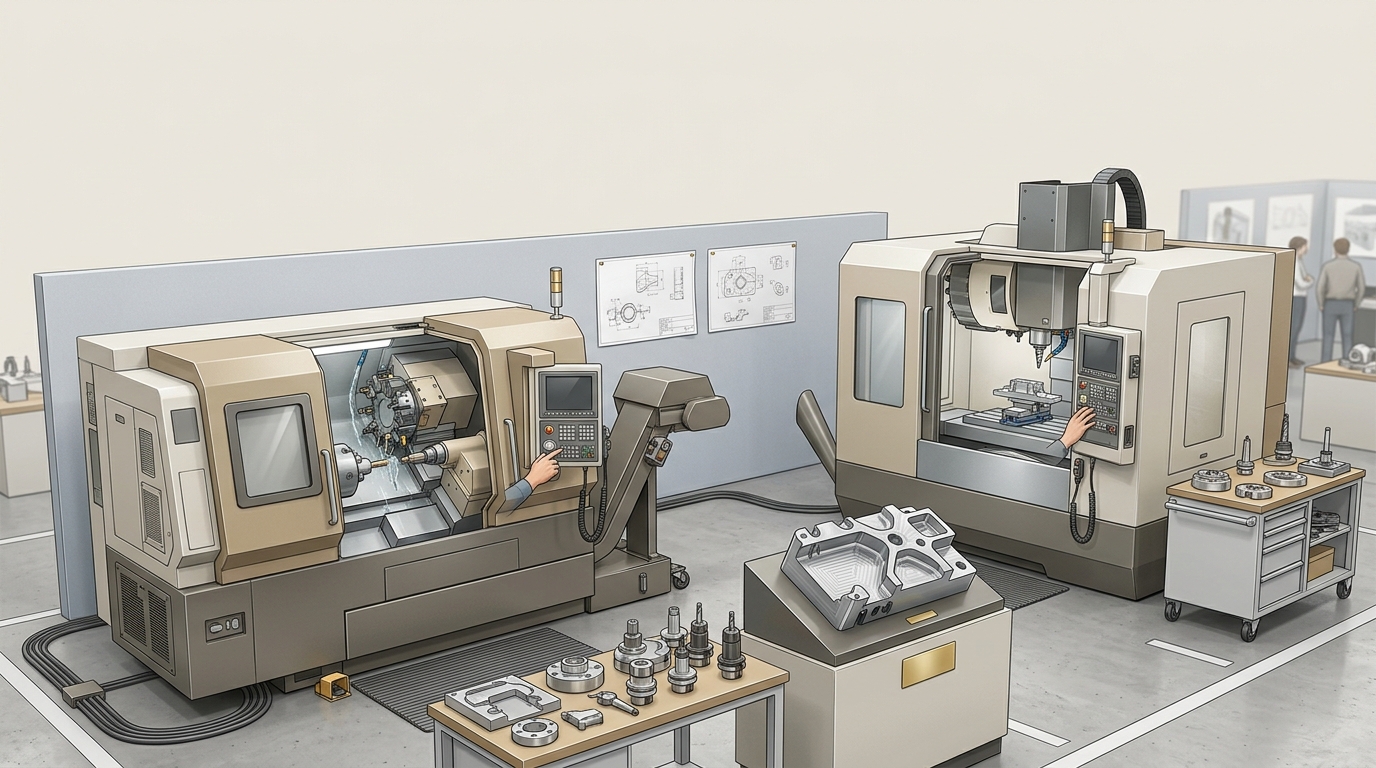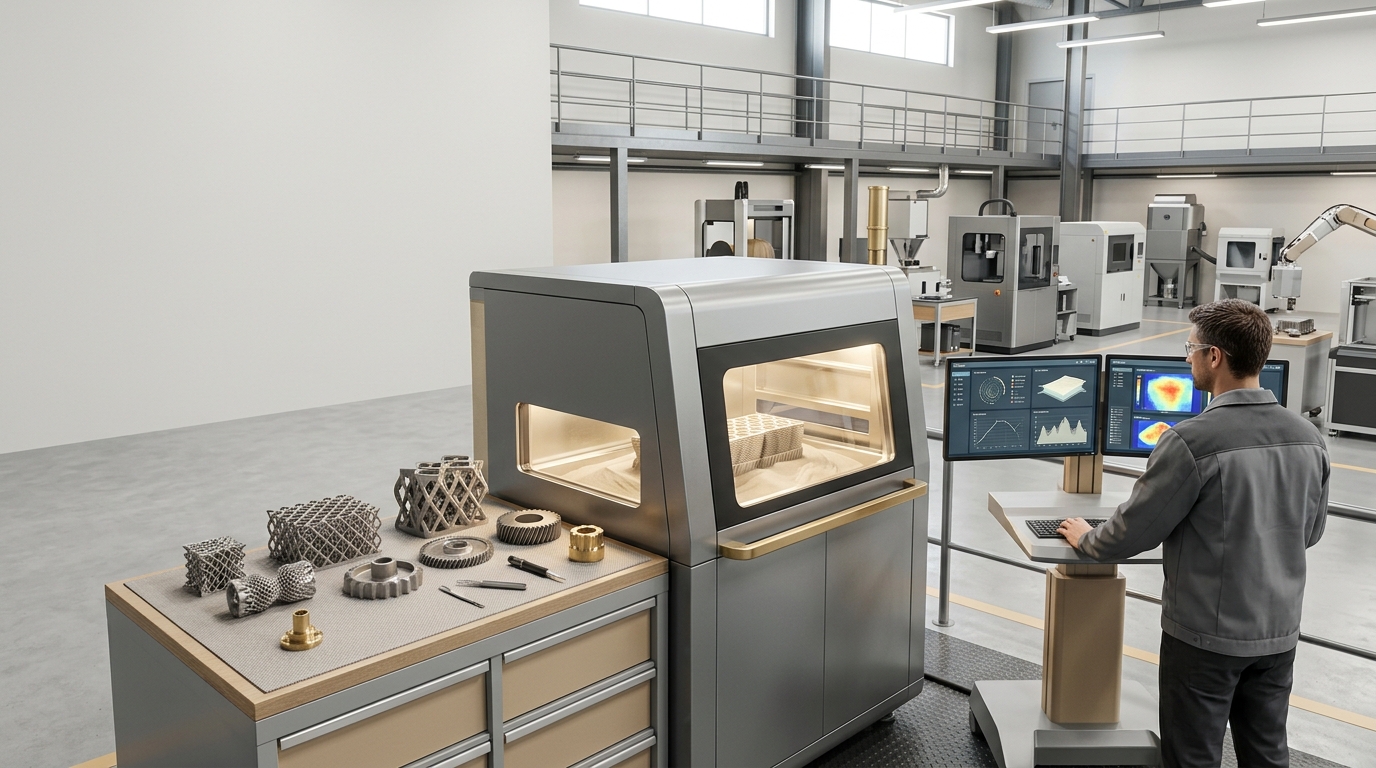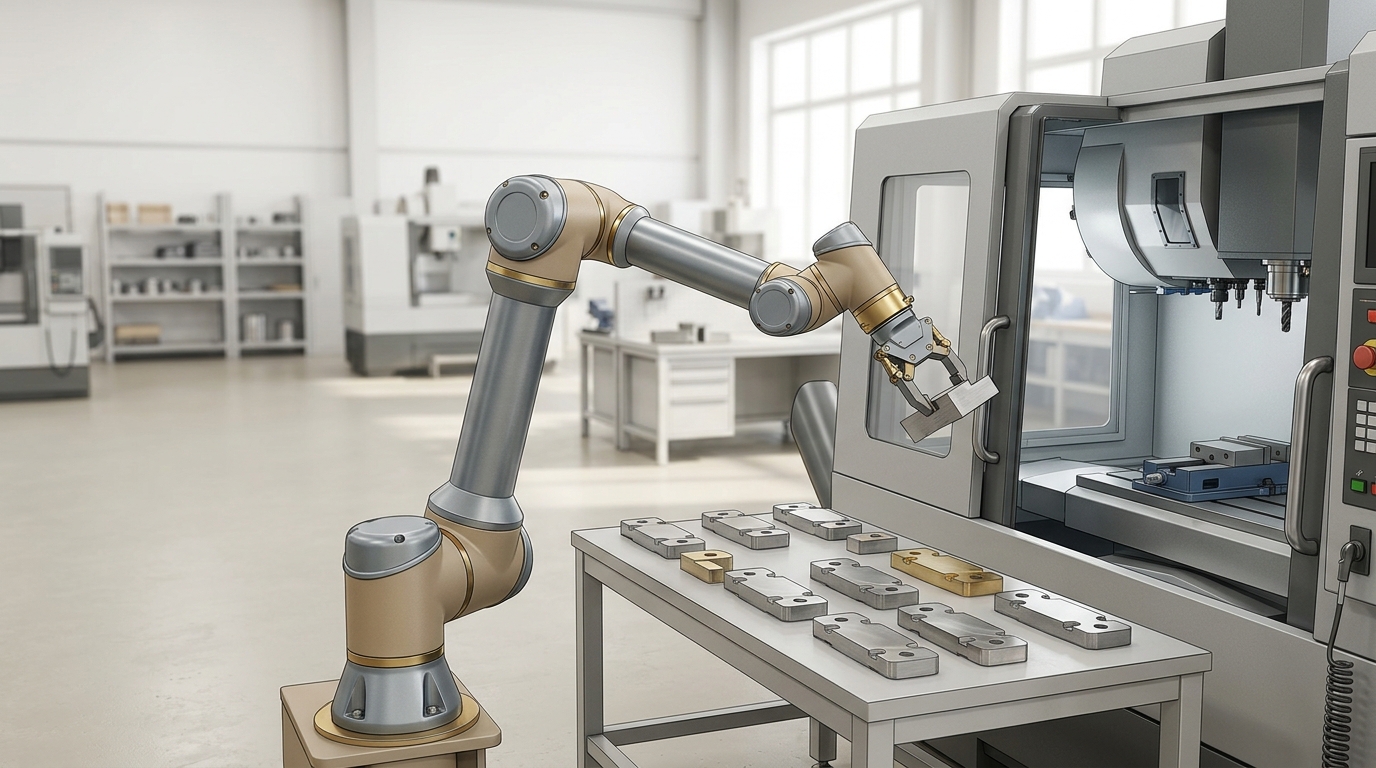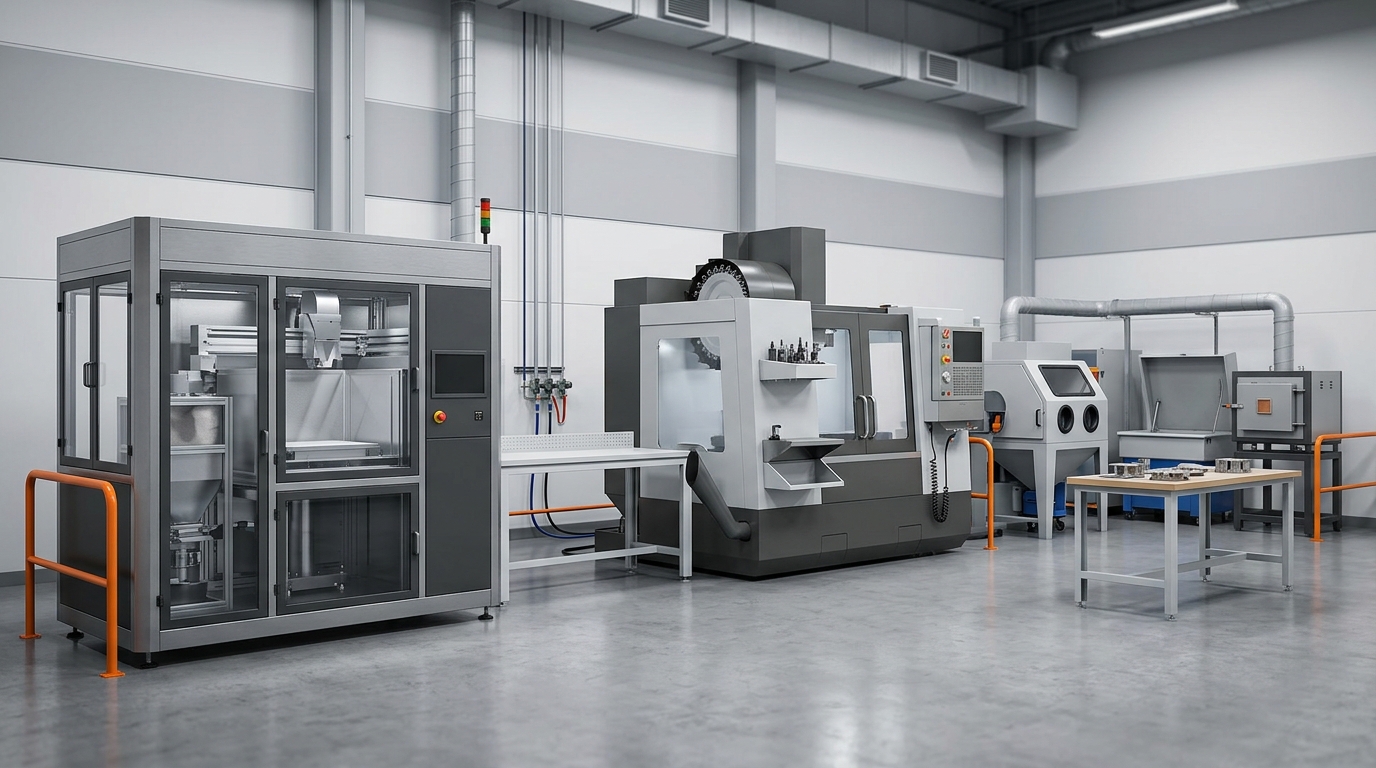
IMTS 2026 is introducing a notable floorplan change for additive manufacturing. The show’s Additive Sector has moved into the South Building, placing it alongside the Metal Removal Sector for the first time. According to AMT, the move reflects the practical reality that many additively produced parts still need subtractive operations to reach final form, including feature machining, thread creation, surface finishing and separation from the build plate.
That proximity shifts attention from individual machines to the broader workflow. A metal AM part often moves through powder removal, support handling, cutoff, machining and finishing before it is ready for use. By bringing more of those adjacent steps into the same building, the event aims to make process links easier to compare during a visit.
One of the main themes identified in the show guide is large-format additive manufacturing. This includes both polymer and metal systems with substantially larger build envelopes, enabling the production of bigger structures or the consolidation of multiple assembled parts into a single component. The overview also points to robot-mounted extrusion systems and to the continued expansion of powder-based platforms into larger-format applications.
At the other end of the scale, the guide also points to more compact and lower-cost laser powder bed fusion systems. These smaller LPBF machines are presented as options for R&D, prototyping and some short-run production tasks. Smaller build volumes can also reduce the amount of material needed to start a job, which may help lower operating costs and make application development more accessible.
Postprocessing is another major focus. The Additive Sector is described as including equipment for automated depowdering, material sieving, powder handling and wire EDM cutoff of printed metal parts from build plates. Surface improvement and follow-on machining also remain part of the picture, reinforcing the idea that metal additive manufacturing is typically one step within a longer manufacturing route.
The show guide also highlights hybrid approaches that combine additive and machining in one platform, or by fitting deposition heads to existing CNC machine tools. In addition, polymer equipment appears to have a stronger presence this year, with solutions positioned for prototyping, tooling and selected metal-replacement applications. For companies not ready to invest in their own systems, the sector also includes a range of AM service providers, offering another path to evaluate applications or outsource production.