Aurora Labs, an Australian metal 3D printing company, has announced a A$6 million capital raise to expand production of its small turbojet engines for defense and aerospace customers. The financing follows the company’s first US engine order and points to a stronger focus on manufacturing propulsion systems rather than commercialising 3D printing technology on its own.
The placement was structured through the issue of roughly 109.1 million new shares at A$0.055 each, representing a 6.77% discount to the company’s last trading price of A$0.059 on October 23. According to Aurora, the raise will be completed in two stages: about A$4.6 million is expected to settle in early November, while the remaining A$1.4 million is subject to shareholder approval at a meeting planned for January 2027. The placement includes a A$550,000 commitment from chairman David Trimboli, and Walkinshaw Group Holdings has also invested in what Aurora described as a strategic participation.
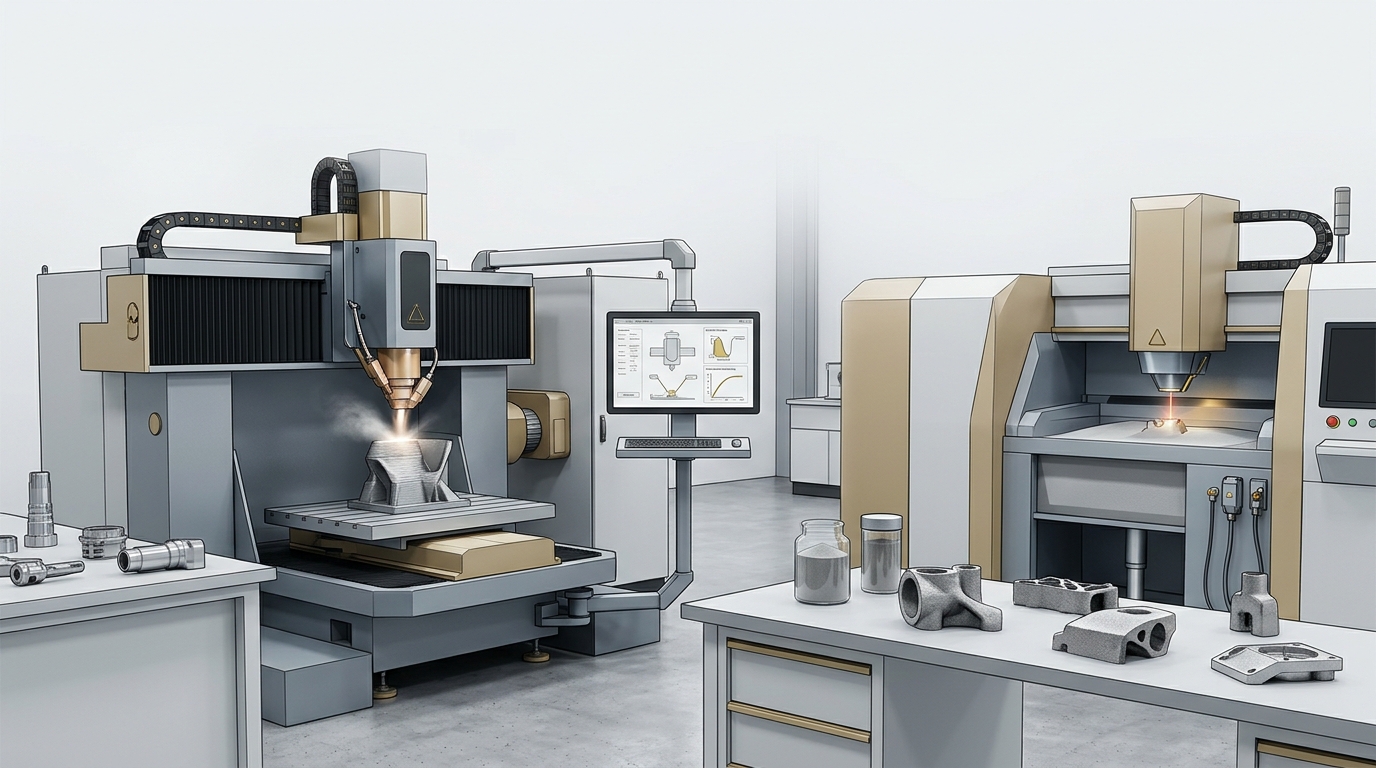
Aurora said the proceeds will be used to expand turbojet production lines, acquire industrial metal additive manufacturing equipment, prepare manufacturing documentation and systems, and add personnel needed for larger production volumes. The funding will also support business development, intellectual property protection, aerospace quality compliance and working capital. In June 2026, the company had already secured a A$1 million Australian government defense manufacturing grant, matched with its own funds, to help buy and commission a large-format industrial metal 3D printer at its Canning Vale facility in Western Australia.
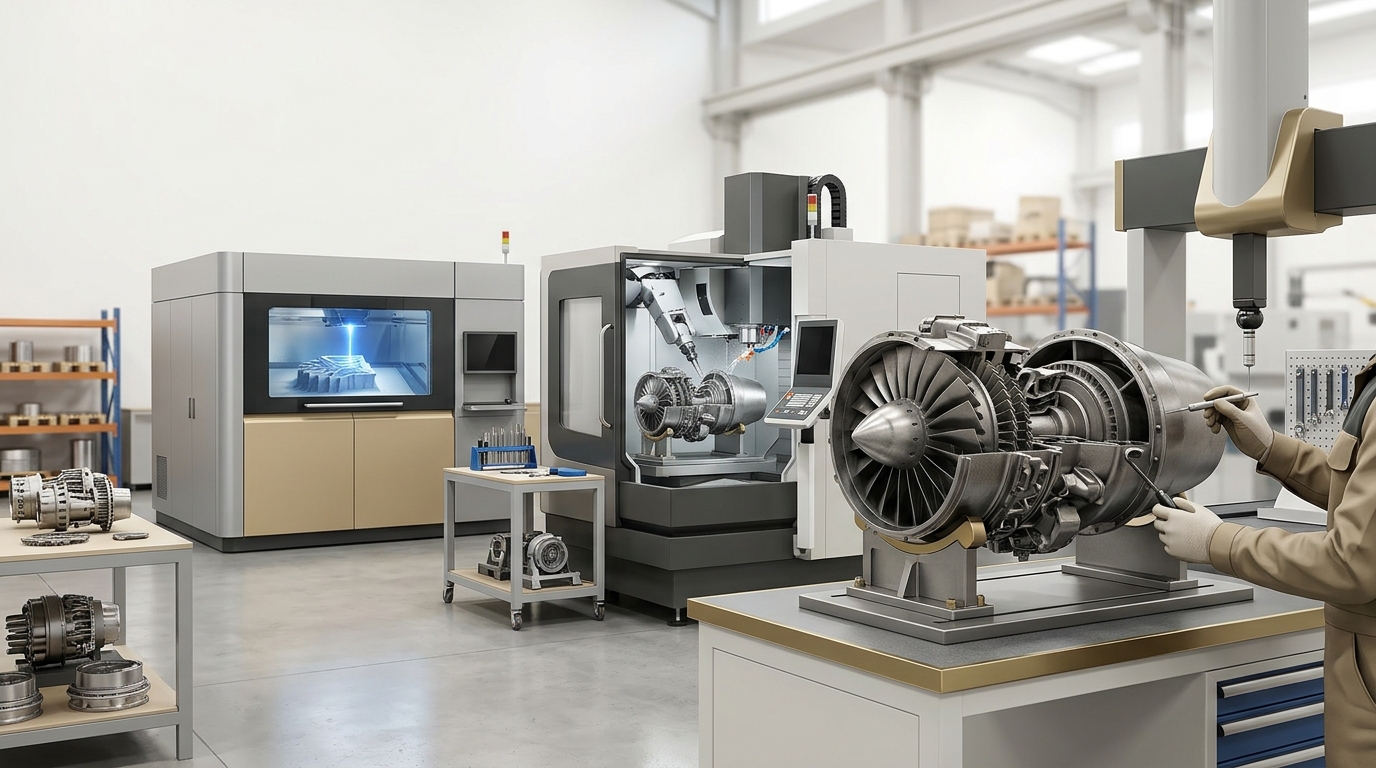
The core product in this strategy is the AU4, a compact turbojet designed for uncrewed aircraft and defense applications. Aurora says the engine produces up to 400 newtons of thrust and weighs about 3.9 kilograms including its fuel pump. Additive manufacturing is used to consolidate multiple parts into single components, reducing the number of pieces that must be made and assembled. In March 2025, the company reported that it had removed 40 parts from the engine design and achieved a 6% reduction in fuel consumption compared with a conventional engine layout.
The AU4 is not fully 3D printed. Aurora also relies on conventional manufacturing methods, including machining, as well as components sourced from external suppliers. In June 2026, the company said it would use its own metal AM systems primarily for research and development, while depending on industrial machines from other manufacturers for scaled production. That approach suggests a broader role for outside equipment suppliers and manufacturing partners as output increases.
On the commercial side, Aurora announced on October 22 its first US engine sale: three AU4 turbojets plus associated integration services for US$42,000, for use in an experimental aircraft program by an unnamed US aerospace and defense customer. The company had also received a A$250,000 order for 20 AU4 propulsion systems from Australia’s Sovereign Propulsion Systems in December 2025, and it achieved AS9100D aerospace quality certification in August 2026. Still, Aurora’s annual results published in August indicate that the business remains at an early commercial stage, with revenue of A$564,218, a net loss of A$5.1 million for the year ended June 30, 2026, and cash of A$2 million at year-end.