At ROSCon 2026 in Toronto, three major technology companies used a two-day window to announce new steps in robotics software. As framed by Hannover Messe, the pattern suggests that competition in physical AI is moving beyond hardware and toward the software stack, with open-source tools becoming a key route to developer adoption and industrial deployment.
On September 22, NVIDIA released Isaac ROS 5.0, a set of ROS-based, GPU-accelerated software packages. According to the source material, the update adds workflows in which AI agents support developers through reusable skills for environment setup, pick-and-place tasks and adapting perception models to specific cameras. NVIDIA also says its FoundationPose model can detect and track object position and orientation up to 5.5 times faster. Isaac ROS 5.0 supports the latest ROS release, Lyrical, runs across the Jetson range from Orin Nano to Thor, and is available free of charge as open source.
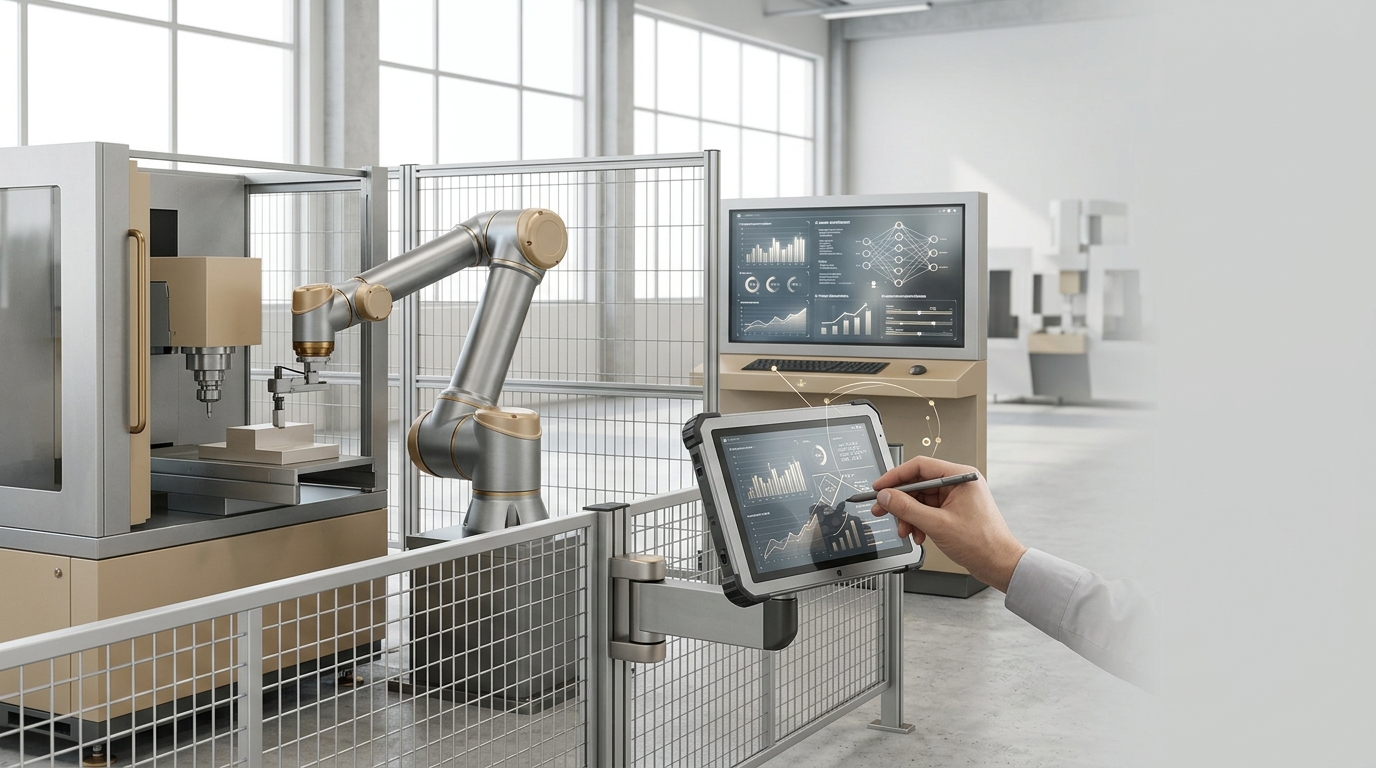
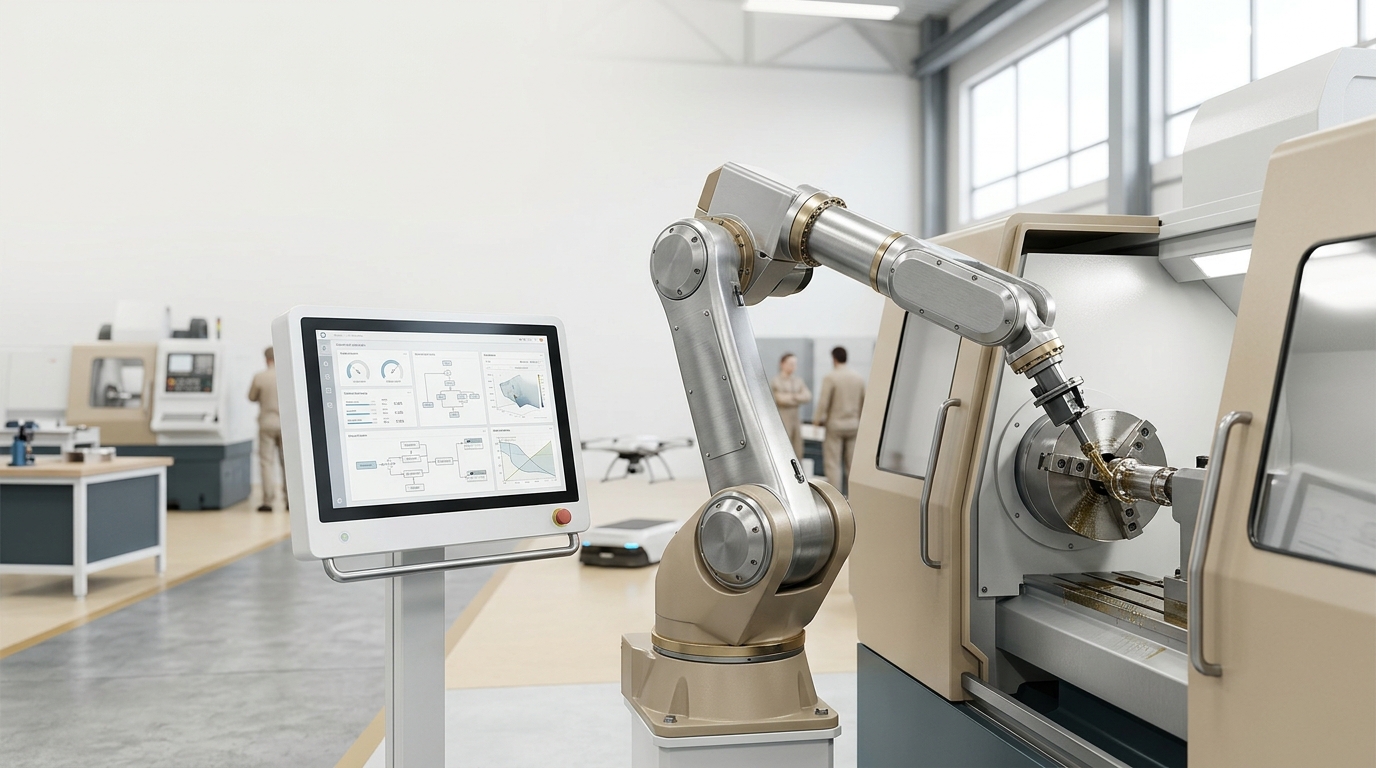
On the same day, Intrinsic, Alphabet’s robotics software unit that the source says has been part of Google since February, released Intrinsic Core under the Apache 2.0 license. That allows commercial use without license fees. The package includes a vendor-neutral real-time control framework, pose detection, motion and grasp planning, Gazebo-based simulation, camera calibration and ROS drivers. It also contains an open reference solution for robot-based CNC machine feeding using FANUC and Universal Robots systems. Intrinsic states that the package is the core of its own software stack, although it does not yet cover mobile robots or humanoids.
On September 23, Qualcomm announced the acquisition of Boulder, Colorado-based robotics software company PickNik. PickNik maintains the open-source MoveIt framework, widely used for robotic-arm motion planning, and sells the commercial MoveIt Pro platform. The announcement says MoveIt 1 and 2 will remain open under their current licenses and continue supporting hardware from other vendors. At the same time, the software is set to be integrated more closely with Qualcomm’s Dragonwing robotics platform, initially on VENTUNO Q Arduino boards. Qualcomm did not disclose the purchase price, and the deal remains subject to customary conditions.
The same strategic direction had already been visible at HANNOVER MESSE 2026. There, Qualcomm showed its IQ10 series for autonomous mobile robots and humanoids, while NVIDIA and partners highlighted factory use cases for simulation and edge AI. Wandelbots also presented its NOVA platform as a unified control and development layer across robots from different manufacturers.
For manufacturers, the industrial significance lies in broader access to open and field-relevant software building blocks. For smaller and mid-sized users in particular, that can shorten the path from prototype to production in robot cells, machine tending and multi-vendor automation projects.