Industrial AI is expanding along two connected tracks: into the semiconductor plants that make the chips it depends on, and into manufacturing lines where simulation, robotics and quality systems are becoming more tightly linked to day-to-day operations. The picture outlined by Hannover Messe brings together examples from chipmaking, discrete manufacturing and emerging automation startups.
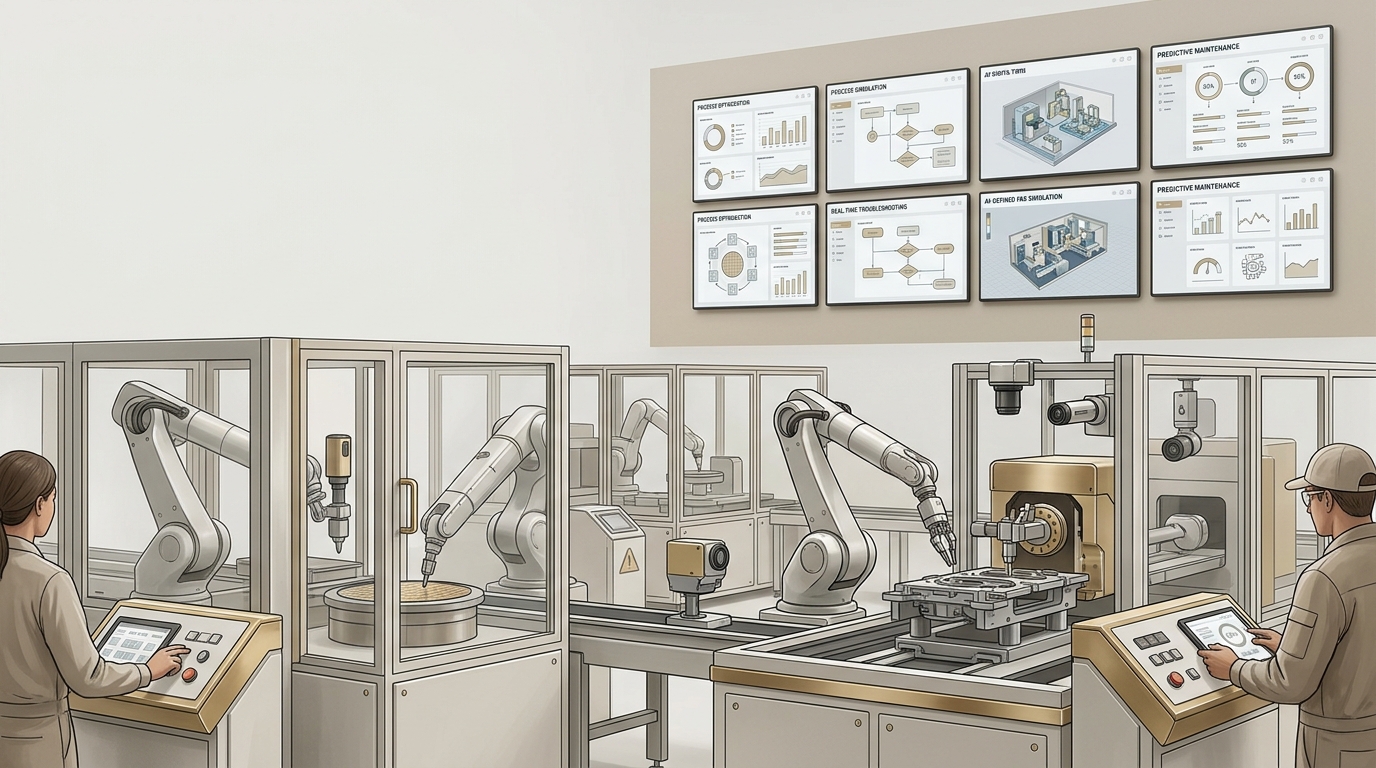
At SEMICON West in San Francisco on October 14, NVIDIA presented its concept of “AI-defined fabs,” describing semiconductor plants where AI supports engineers with process optimization, troubleshooting and efficiency gains. The company said Applied Materials, Cadence, KLA, Lam Research, Siemens and Synopsys are working with its software libraries for these tasks. It also highlighted cuPotential, a library intended to let AI agents simulate interactions between atoms and molecules; in early-access testing, the material says, it accelerated GPU-optimized workflows by a factor of two to three.
The performance figures cited in the source are attributed to participating companies. Lam Research expects selected wafer etching models to run up to 30 times faster, while Applied Materials reports chamber simulations up to 35 times faster and uses digital twins to optimize layouts and material flow. Together with KLA, an inspection image-processing kernel was developed that is said to run 50 times faster than earlier CPU-based versions. Teradyne reports detecting worn test probes about 85 times faster before they affect yield. NVIDIA also pointed to robotics and inspection use cases: FANUC and Foxconn are testing robotic workflows in digital factory twins on Omniverse, while OMRON uses NVIDIA Cosmos world models in inspection equipment to support troubleshooting on printed circuit boards.
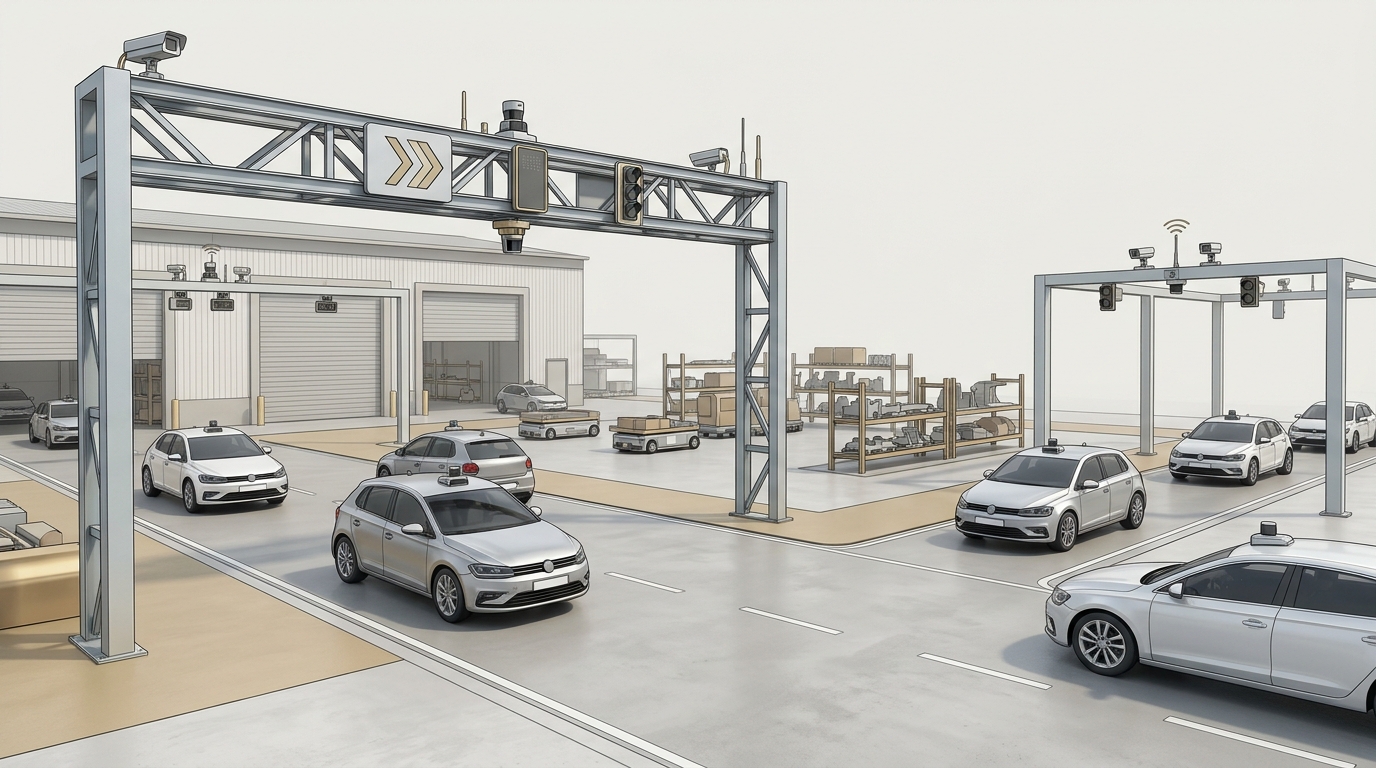
In China, Siemens showed how similar ideas are being tested in live production settings. At the China International Industry Fair in Shanghai, the company presented six Physical AI application scenarios across five plants. The trials include sorting unordered bulk materials, autonomous container transport, palletizing, quality inspection, precision screw fastening and flexible packaging. Siemens also announced more than 20 new products, including 13 developed in China, cooperation agreements with more than 40 Chinese companies, and a new version of its Engineering Agent that, according to Siemens, can cut program development time by up to 50 percent. Alongside a Chinese mechanical engineering research institute, it also published a national standard for reconfigurable factory systems.
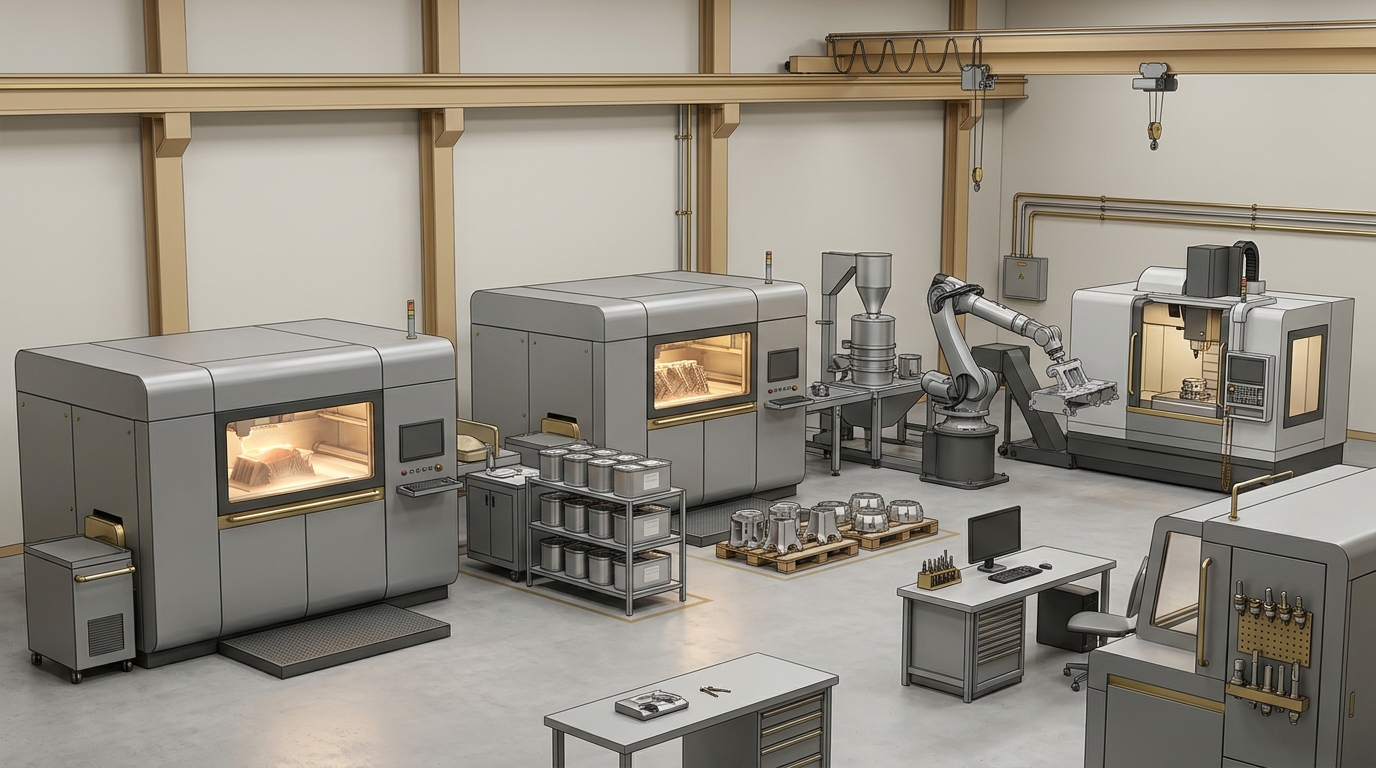
A separate signal comes from line reconfiguration. Startup Industrial Next, founded by former Tesla employees Lukas Pankau and Allen Pan according to the material, is developing self-contained robotic stations controlled by proprietary foundation models for image recognition, task understanding and motion. The company says production lines could be retooled in minutes rather than weeks without traditional programming. At TechCrunch Disrupt, it announced a collaboration with the BMW Group Technology Office, which is testing the stations’ fine motor capabilities for manufacturing.
The organizational gap may now be as important as the technology itself. IFS’s vendor-sponsored Industrial Index 2026, based on more than 2,200 decision-makers in 14 countries, suggests operational teams are pushing AI adoption faster than senior leadership is building governance. More than 90 percent of companies report significant gains in reliability and performance, yet only 11 percent have validated AI results for security- or quality-critical processes, and only 4 percent require human approval for AI-supported decisions. Because IFS sells industrial AI software, the findings should be read with caution. Even so, the broader takeaway is consistent with the week’s announcements: AI has reached the shop floor, and control frameworks now need to catch up.