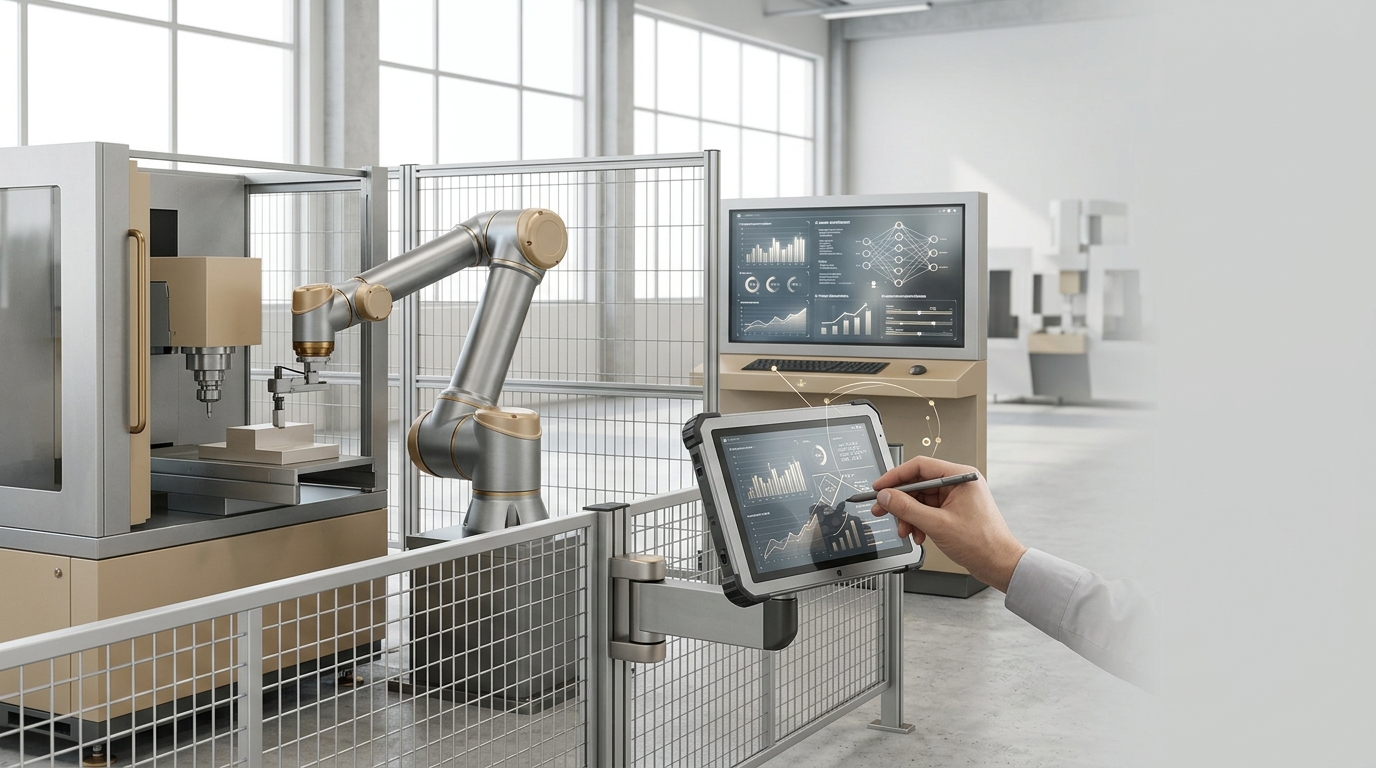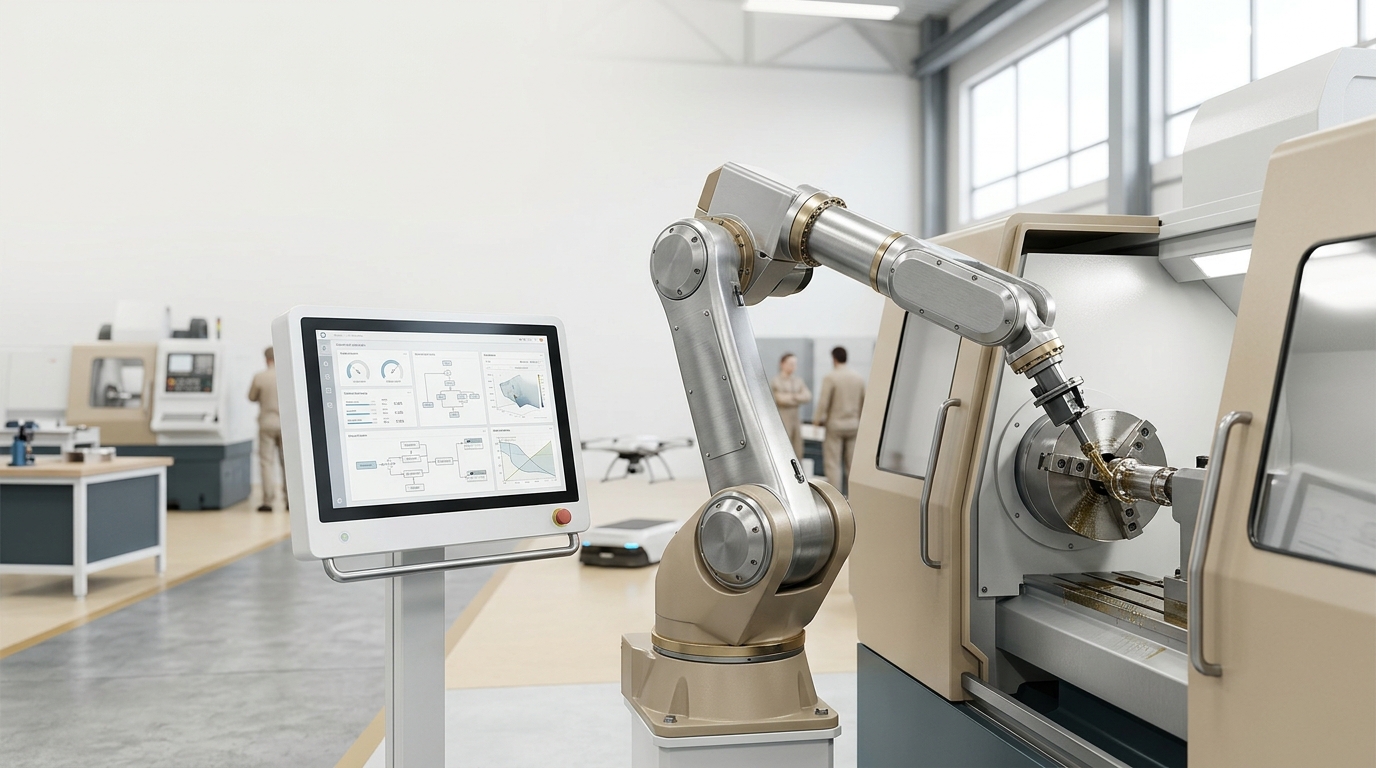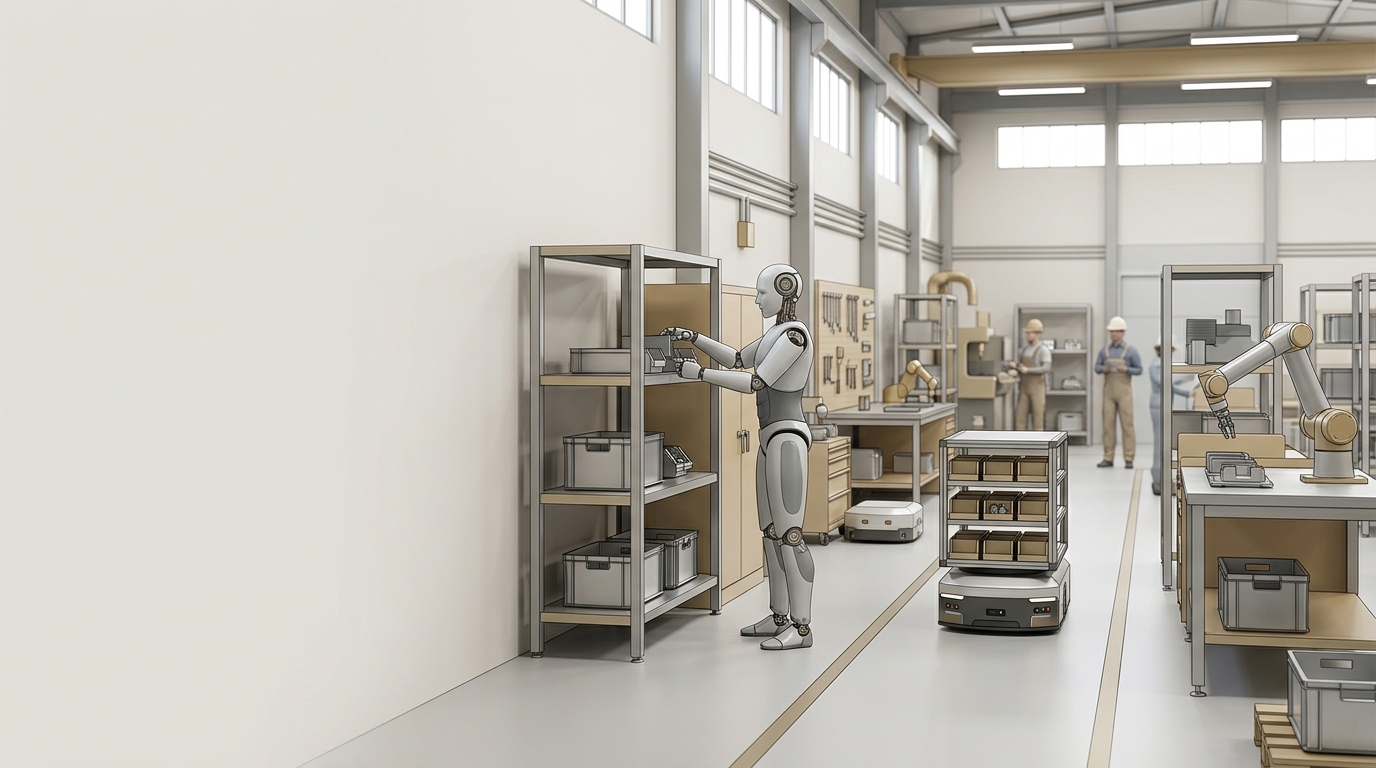
In many automated production settings, robots still depend on tightly defined programs and limited room for adaptation. When part position, workpiece condition or surrounding process parameters differ from what was originally programmed, the machine may stop rather than adjust its motion on its own. That is the constraint Physical AI is intended to address.
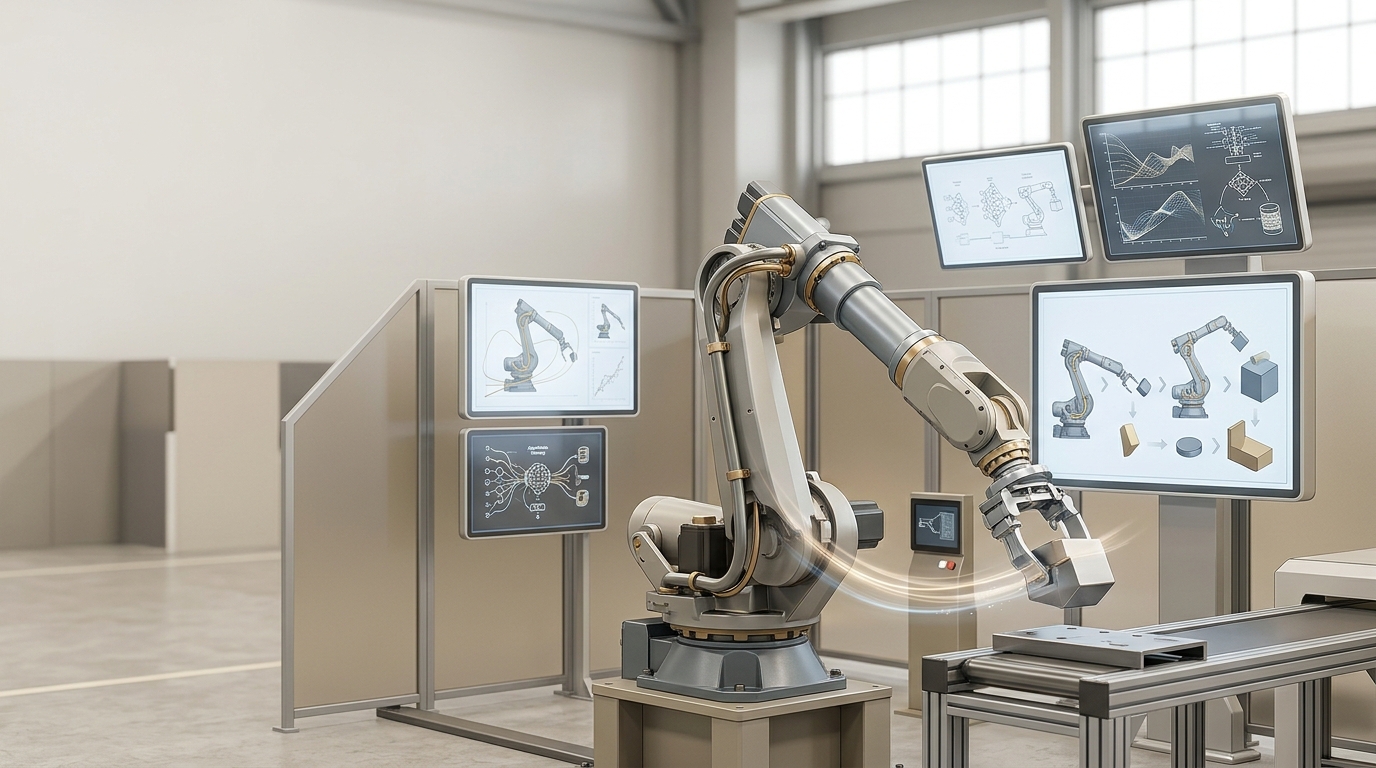
The source material points to a core idea: instead of learning only on the machine or directly inside the plant, robots are prepared through a very large number of virtual situations. The stated aim is to expose machines to millions of simulated scenarios so they can respond more effectively when real operating conditions do not exactly match expectations.
In that model, simulation is more than an offline verification step. It becomes a training environment. The expected benefit is greater operational resilience, with the robot moving beyond rigid repetition toward a more flexible response within the boundaries of its trained system behavior. In industrial terms, that could help reduce downtime caused by process deviations or unexpected changes in the work area.
VDI Nachrichten also identifies Siemens, Kuka and Neura Robotics as companies explaining how far the technology has progressed. However, the material provided does not include details on specific products, measured performance, deployment figures or individual applications. As a result, the available evidence supports a description of the technical direction, but not a quantified assessment of outcomes or adoption timing.
This matters for manufacturing because real production rarely repeats under perfectly identical conditions. Even small differences can disrupt throughput when a robot is programmed too rigidly. If Physical AI improves how machines handle the unexpected, it could make automation more viable in environments where variability still limits broader deployment.
Based on the information available here, the conclusion remains measured: development efforts are moving toward robots that rely less on fixed sequences and are better prepared for changing conditions through simulation-based training. The actual level of operational maturity cannot be defined beyond what the source summary states.