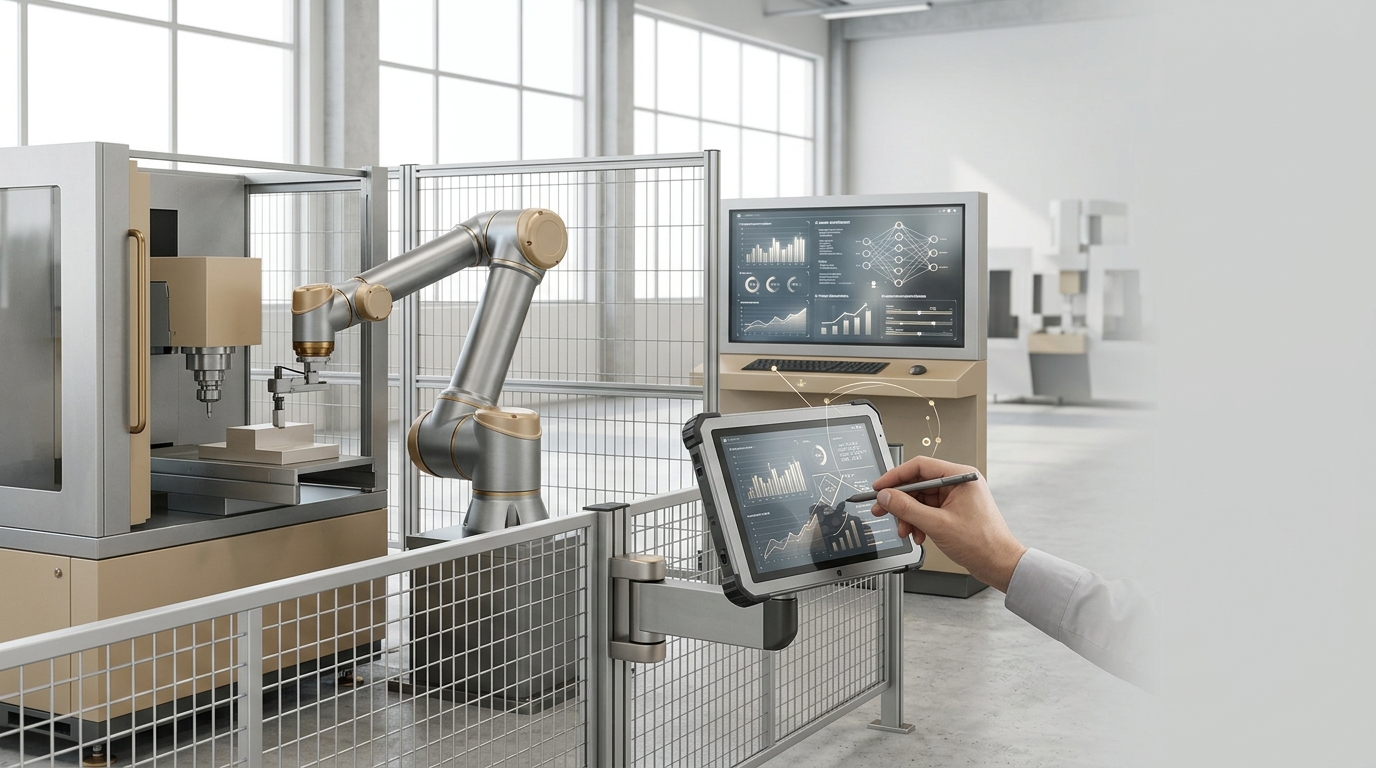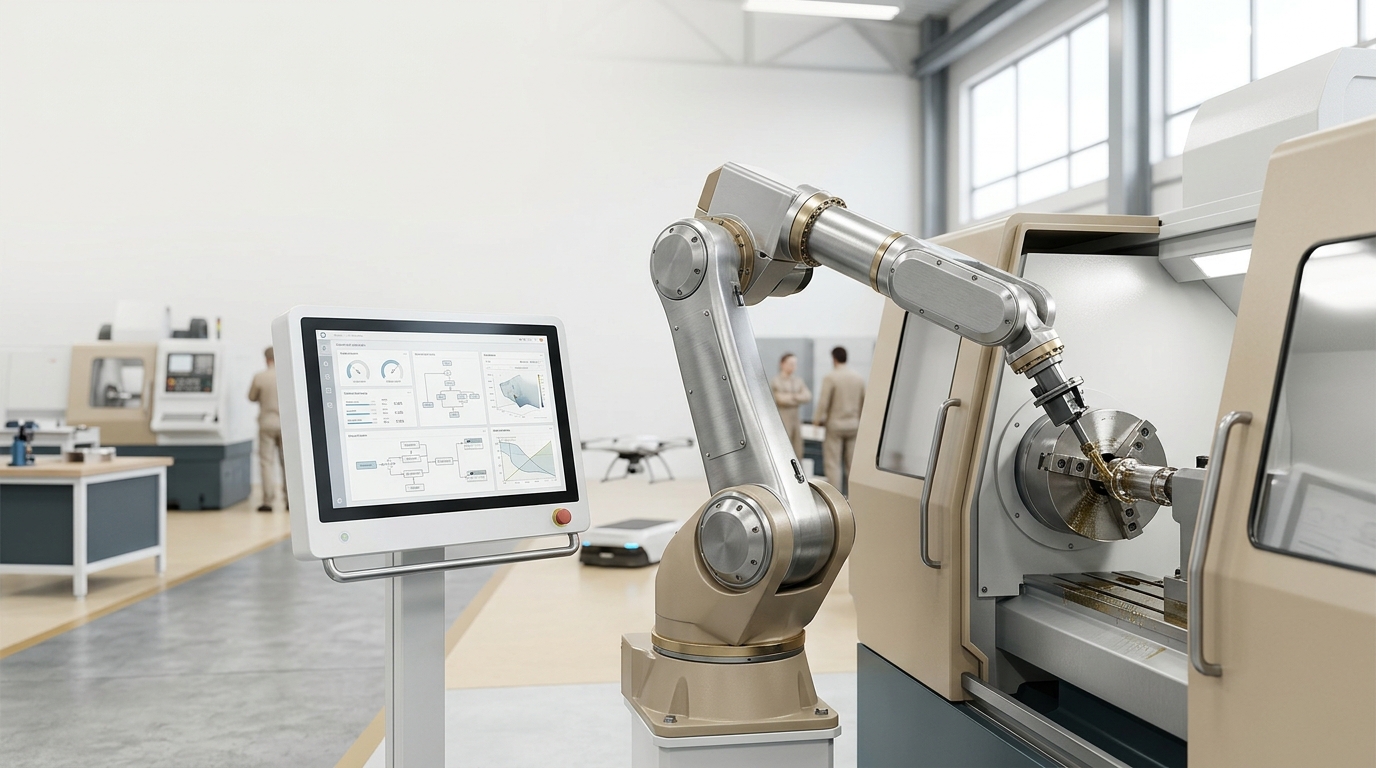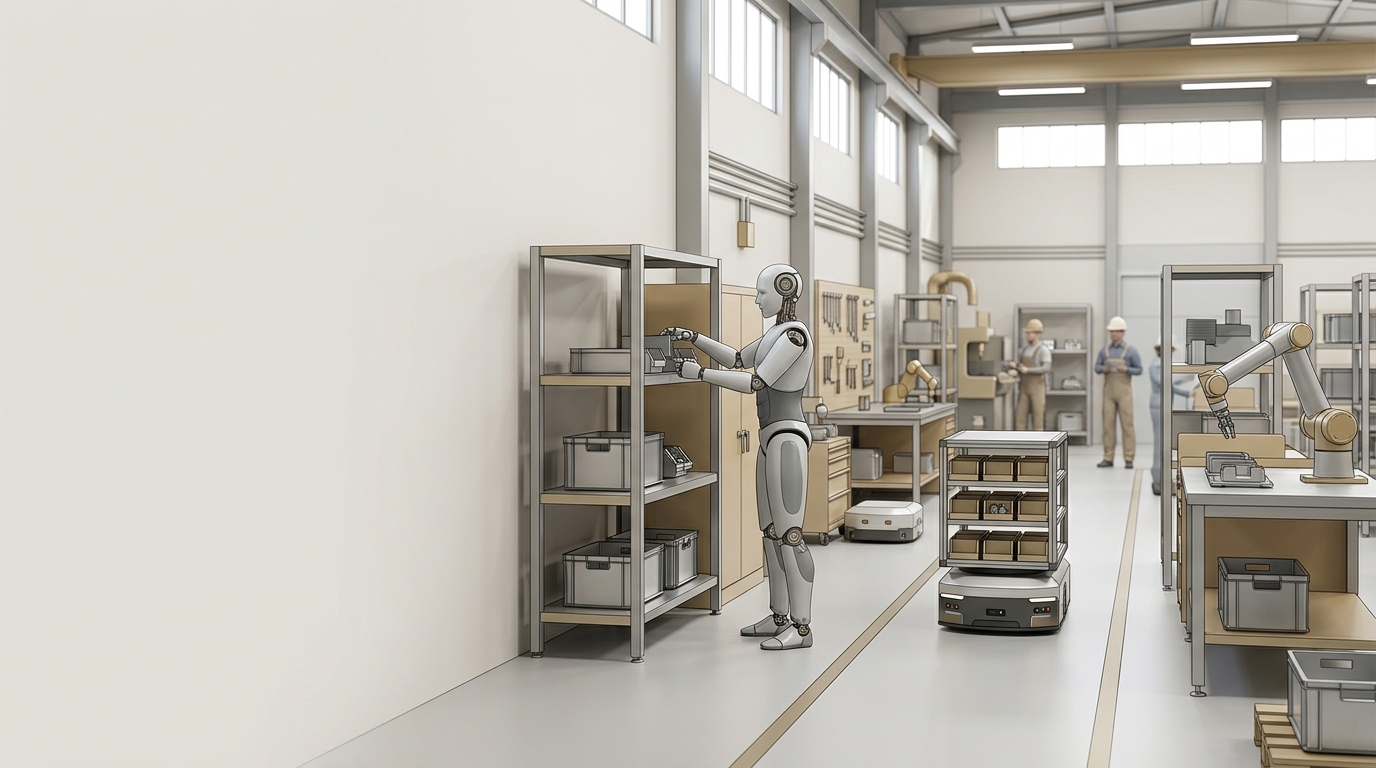
Hitachi and FANUC have entered a collaboration centered on physical AI, the emerging area that combines robotics with artificial intelligence for real-world production work. Based on the available material, the partnership is aimed at a difficult automation challenge: bringing learning and adaptation into physical manufacturing systems rather than keeping AI at a purely analytical or software level.
The pairing brings together two different capabilities. Hitachi contributes its HMAX Industry AI expertise, while FANUC adds AI-enabled industrial robots and control technology. The stated direction is practical rather than conceptual, with the companies focusing on manufacturing applications that can be trained and assessed in operating factory environments.
To do that, the plan is to use Hitachi group factories as “customer zero.” In effect, those facilities will function as the first deployment setting where AI can learn production activities. That approach points to an internal validation path, using the group’s own manufacturing operations as the initial proving ground before any broader industrial rollout is implied.
The specific applications mentioned are part picking for items with different shapes and changeovers when production items shift from one product to another. Both are meaningful targets for manufacturers. Picking varied parts requires flexibility in identification, grasping and handling, while changeovers directly affect downtime, throughput continuity and the economics of running changing product mixes.
From an industrial perspective, the significance of the project lies in the attempt to push automation into tasks that are not fully repetitive. In many fabrication and machining settings, conventional automation is strongest when parts and sequences remain stable. Performance often becomes more difficult when geometry changes, orientation varies, or setups must be adjusted frequently between product runs.
The available material does not provide a timeline, investment figure, site list or measurable performance targets for the collaboration. Even so, the decision to begin with internal factories and clearly defined use cases suggests a development path tied to shop-floor practicality. For manufacturers, integrators and equipment buyers, the key question will be whether this mix of industrial AI, robot control and in-factory learning can translate into greater day-to-day production flexibility.