Confindustria’s latest forecast report puts Italian GDP growth at 1% in 2026, above the estimate issued in spring, before slowing to 0.6% in 2027. The research centre says the economy has been more resilient than expected despite geopolitical tensions and higher energy costs, although next year’s outlook remains weaker as support linked to the national recovery plan gradually fades.
Investment is a key part of that resilience. Gross fixed investment is projected to rise by 3.3% in 2026, helped by the PNRR and by incentives for private companies. In 2027, however, overall fixed investment growth is expected to slow to 0.8%, mainly because construction should lose part of the boost previously provided by recovery-plan spending. By contrast, investment in plant and machinery is still projected to grow at a relatively solid pace, by 2.9% in 2026 and 2.8% in 2027.
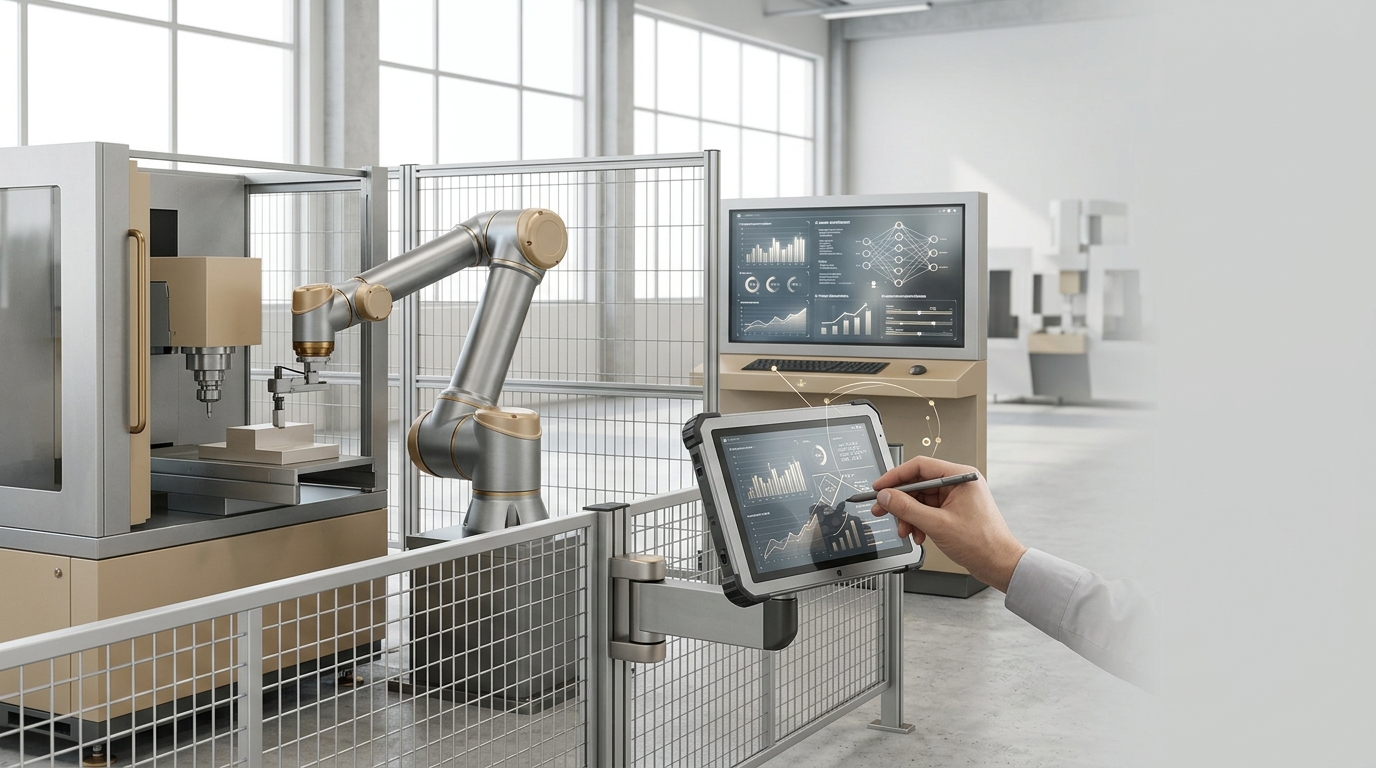
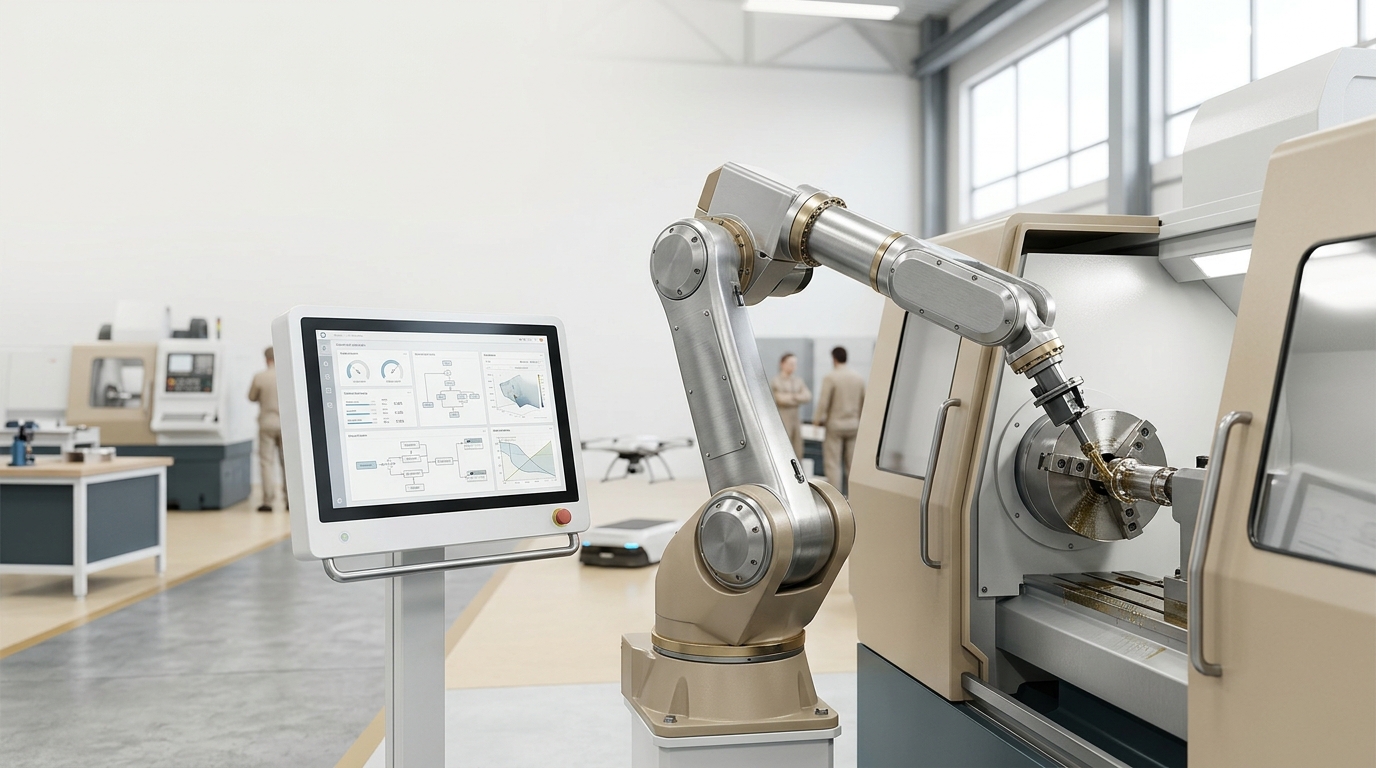
For manufacturing, one of the clearest signals is the performance of capital goods. According to the report, this is the only broad component of industrial production still above 2021 levels. Confindustria links that trend to businesses tied to automation, digitalisation and electronics, as well as to selected transport-related segments. Even so, the wider industrial picture remains mixed: acquired industrial production growth for 2026 stands at 0.4%, while value added in industry excluding construction is still seen edging down by 0.1%.
The report also highlights continued interest in the new super-depreciation scheme. From the opening of the GSE platform on 12 June to the end of September, companies booked more than EUR 6 billion of investment, although the report notes that those amounts have not yet been finally approved. At the same time, Confindustria argues that the repeated succession of incentive schemes in recent years has made investment patterns more volatile, bringing forward spending ahead of deadlines and then causing subsequent slowdowns.
On the structural side, the report returns to Italy’s long-running productivity weakness. It points to the country’s fragmented business structure as a major reason for the gap with other European economies. In a simulation by Confindustria, if Italy had a firm-size distribution similar to Germany’s, national productivity would rise by 17.6%, and by 24.7% in manufacturing alone. The implication is that stronger scale, together with higher intangible investment, is needed to turn technology spending into lasting competitiveness gains.
Energy remains the main competitive disadvantage. In the first nine months of 2026, Italy’s electricity price was on average 35% higher than Germany’s, while in August European natural gas prices were almost eight times those in the United States. The report also warns about strategic technology dependencies: China is identified as the main country by number of critical products on which Italian industry depends, while the US ranks first by value of critical supplies. Confindustria’s conclusion is that Europe needs a more targeted industrial policy focused on strategic technologies and supply chains.